
Sale: from 50 % off


Guide
Headlamps & Light
Choose a head torch for your pace and intended setting. On a walking path, reliable light matters more than a brief maximum output; running also needs a secure fit and reach.
Key points
- Walking: 200–500 lm as a guide; trail running from around 400 lm.
- Compare battery life at your working setting, not only maximum lumens.
- IPX4 handles splashes; higher protection should match the activity.
- Without charging stops, plan spare batteries or hybrid power.
Buying advice
Which head torch suits you?
Six questions on use, light, duration, power supply, features and budget help you compare head torches.
- Compare by use
- Check fit and features
Which light for which use?
| Use | What to expect | Your choice |
|---|---|---|
| Huts and camp | What to expectClose-range light, others sleeping | Your choiceCompact torch with red light |
| Walking paths | What to expectHands free for a late descent | Your choiceLight head torch |
| Trail running | What to expectSpeed and movement at the head | Your choiceSecure running torch |
| Early mountain starts | What to expectHelmet, cold and reach | Your choiceHelmet-compatible torch |
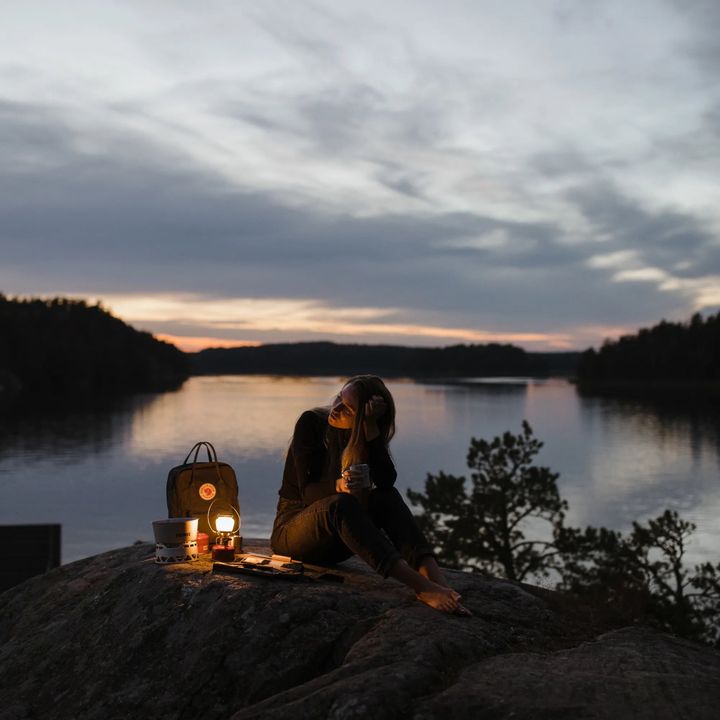
| Tent table | What to expectSeveral people, no path beam | Your choiceLED lantern |
Types compared
Compact head torch
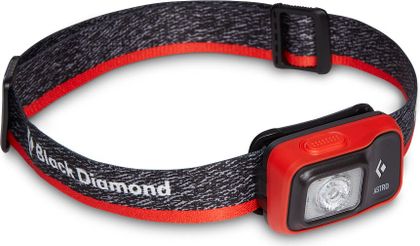
For huts and walking. Black Diamond quotes up to 300 lumens for the Astro 300.
- Advantage: Low weight, often under 100 g
- Drawback: Too little reach for fast descents
Running head torch
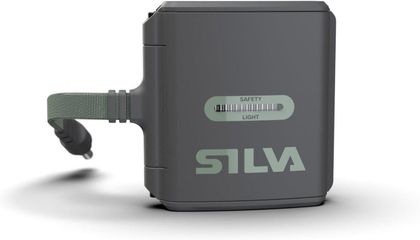
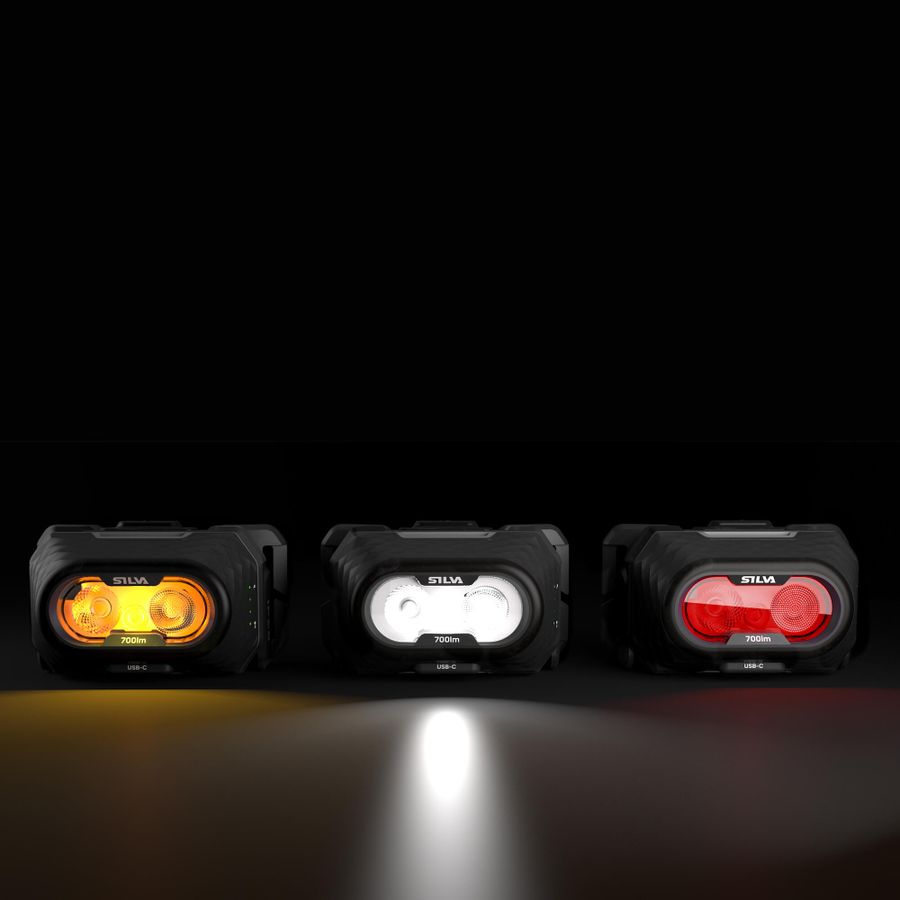
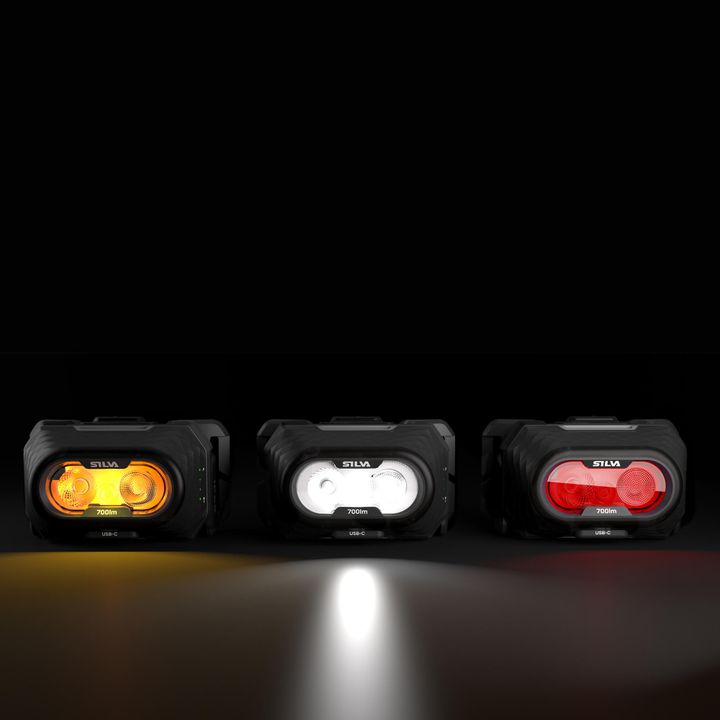
For evening runs. Silva combines distance and close-range light in this model.
- Advantage: Secure fit
- Drawback: Full power drains the battery in a few hours
Head torch with external battery
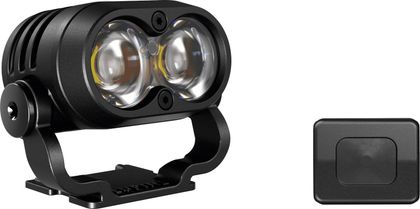
For mountain outings. Lupine lists a separate SmartCore battery for the Piko BT X 4SC.
- Advantage: Often 1,000 lumens or more
- Drawback: Heavier, with a cable
LED lantern
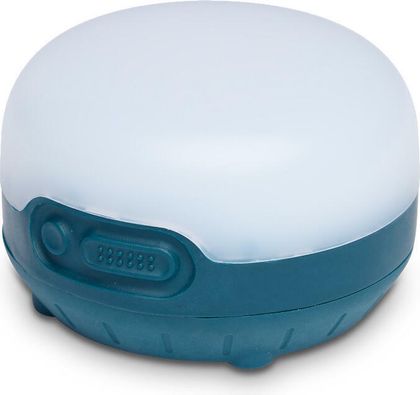
For the table and tent. Black Diamond quotes up to 150 lumens for the Moji R+.
- Advantage: Lights the area for several people
- Drawback: Will not light a path
What to check before you buy
| Question | In short | Why |
|---|---|---|
| What does beam distance mean? | In shortLimit at 0.25 lux | WhyANSI/PLATO FL 1 uses very weak remaining light. The useful walking distance is shorter than the quoted figure. |
| How is runtime measured? | In shortDown to 10 % brightness | WhyANSI/PLATO FL 1 ends the measurement at one tenth of initial brightness. Compare matching lumen settings. |
| Does the power supply suit? | In shortCharge or replace | WhyUSB batteries need a charging opportunity. Depending on the model, hybrid torches accept rechargeable and AAA batteries. |
Frequently asked questions
Does it replace a bicycle light?
No, it is an extra light. Check the bicycle lighting required for public roads where you ride and avoid dazzling others.
Can it travel by air?
Check your airline's current battery and baggage rules before flying. Pay particular attention to spare batteries and protection against short circuits.
Can a gas lantern go in a tent?
No. Primus allows the EasyLight outdoors only and quotes 500 mm clearance from combustible material when hung. Use LED lighting inside a tent.
Must I always use full power?
No. Bright light dazzles at close range and uses more energy. Turn it down for maps, huts and camp.
Last updated: October 2026