
Sale: from 50 % off
What are the shoes for?
School and everyday
Check length, width and heel hold together. Let your child walk in both shoes.
- Measure both feet
- Secure heel
- Room at the forefoot
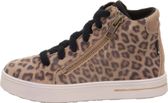
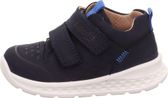
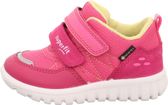
Wet paths
A waterproof version helps on wet ground, though water can still enter over the low collar.
- Read membrane details
- Collar remains low
- Suitable socks
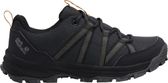
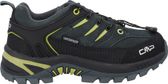
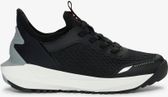
Woodland outings
Choose for the ground and the manufacturer’s intended use rather than sporty styling alone.
- Compare tread
- Check natural movement
- Suitable for the route
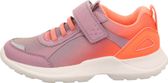
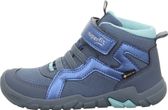
Getting dressed alone
Let your child try opening, putting on and securely fastening the shoe.
- Practise fastening
- Secure heel hold
- Adjustable width
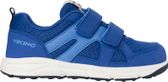
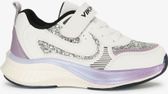
No products match these filters.
Top brands in Kids


Guide
Children’s low shoes
Growing feet need room and fastenings children can use. Compare width, heel hold and the sole for school or woodland paths rather than relying on the previous size.
Key points
- Measure both feet and use the size chart for that particular model.
- The forefoot needs width while the heel should stay secure.
- Hook-and-loop straps or elastic laces can help children dress independently.
- Proofing spray does not turn an open shoe into waterproof footwear.
Where will your child walk?
| Use | Choose | Bear in mind |
|---|---|---|
| School and everyday | ChooseFlexible casual shoe | Bear in mindHeel hold and easy fastening. |
| Woodland paths | ChooseProfiled walking shoe | Bear in mindMatch the sole to the ground. |
| Wet grass | ChooseWaterproof version | Bear in mindWater can enter over the low collar. |
| Getting dressed alone | ChooseEasy suitable fastening | Bear in mindLet the child operate it. |
Everyday or wet paths?
Casual shoe (Everyday use)
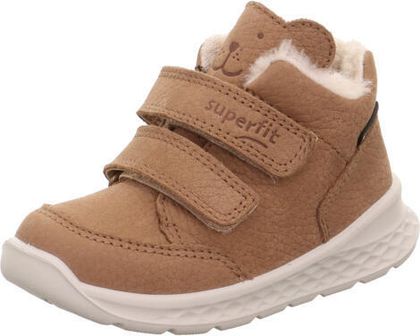
A flexible shoe for mainly firm paths.
- Advantage: Straightforward daily wear
- Drawback: Wet protection is not automatic
Weatherproof shoe (Outdoors)
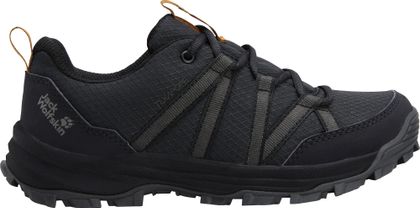
Low footwear with explicitly stated wet protection.
- Advantage: Protection from wet ground
- Drawback: Water can enter over the collar
What to look for
| Question | In brief | Why |
|---|---|---|
| Which size? | In briefSeparate length and width | WhyA longer shoe does not reliably relieve a forefoot that is too narrow and may leave the heel loose. |
| Which sole? | In briefMatch the intended path | WhyTread helps on woodland paths. On mostly level ground, check that the child can roll through each step comfortably. |
| When to measure again? | In briefRegularly and after discomfort | WhyChildren do not always notice tight shoes early. Recheck fit and foot length between purchases as well as when buying. |
Common questions
Can I order the usual size?
Brands and models vary. A previous size does not replace measuring and trying both shoes with the intended socks.
How do I check the fit?
Let the child walk and move their toes. The heel should stay secure without pressure at the forefoot. Seek a skilled fit check if unsure.
Is every low shoe a hiking shoe?
Some models suit easy walking paths; others are casual footwear. The low collar provides less coverage from stones and vegetation around the ankle.
How should the shoes dry?
Remove insoles if permitted and let shoes air-dry slowly. Radiators can harm materials and adhesives; follow the care instructions.
Last updated: November 2026