Don't have a SportFits user account yet? Then register now, save on your first order, and enjoy many benefits such as parcel tracking and easy returns.
This website uses cookies, which are necessary for the technical operation of the website and are always set. Other cookies, which increase the comfort when using this website, are used for direct advertising or to facilitate interaction with other websites and social networks, are only set with your consent.
Configuration
Technically required
These cookies are necessary for the basic functions of the shop.
"Allow all cookies" cookie
"Decline all cookies" cookie
Adyen JSESSIONID
Adyen _fbp
Adyen _ga
Adyen _gcl_au
Adyen _gid
Adyen _hjid
Adyen _mkto_trk
Adyen _rp_uid
Adyen _uetsid
Adyen _uetvid
Adyen datadome
Adyen gdpr
Adyen lastUpdatedGdpr
Adyen rl_anonymous_id
Adyen rl_user_id
Amazon Pay
CSRF token
Cookie preferences
Currency change
Customer recognition
Customer-specific caching
Editor functionality
Individual prices
PayPal payments
Selected shop
Session
Comfort functions
These cookies are used to make the shopping experience even more appealing, for example for the recognition of the visitor.
Note
Statistics & Tracking
Affiliate program
Conversion and usertracking via Google Tag Manager
The opening underneath must match your cycling shoe's sole and cleat.
Guide
Cycling overshoes
A thin overshoe blocks chilly airflow, while an insulated version adds warmth. Rain protection needs suitable fabric and seams plus a well-fitted overlap with your long cycling bottoms.
Key points
Match the overshoe to both shoe size and sole shape.
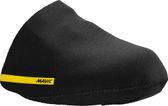
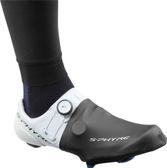
Toe covers offer less coverage than full overshoes.
Choose reinforced contact areas if you often walk in them.
Bear in mindThe cover needs to reach the ventilation openings on your shoes.
Rainy ride
ChooseRain overshoe
Bear in mindLook at seams, fastening and the opening around your leg.
Cold winter ride
ChooseInsulated overshoe
Bear in mindLeave room for your foot inside the shoe; squeezing it tighter does not add warmth.
What to look for
Question
In brief
Why
Road or mountain bike?
In briefCompare sole openings
WhyBroad treaded soles need different openings from smooth road shoes with large cleats.
Which size?
In briefCheck with your shoe
WhyWide shoes and winter models can need more space than the size label suggests. Use the model's own sizing chart.
What helps when walking?
In briefReinforced contact areas
WhyThe underside and toe take wear on paths. Limit walking if the model uses a delicate construction there.
Common questions
Are rain overshoes completely sealed?
Even waterproof fabric can allow water through the leg or sole openings. Match the closures and arrange waterproof trouser hems so that water runs outside the upper edge. Follow the guidance for the particular overshoe.
Will toe covers be enough in winter?
Toe covers protect only the front of the shoe. For long cold rides a fully insulated overshoe may be more useful. Consider how cold you feel, wind exposure and the insulation already provided by your cycling shoes.
Will road overshoes fit mountain-bike shoes?
Check the sole opening and the overshoe's intended footwear. Tread blocks can interfere with a narrow road cut. Choose a version that leaves the cleat accessible and stays in position beneath the sole.
How do I put overshoes on carefully?
Open the fastening fully and ease the fabric evenly over the shoe rather than pulling only on the zip. Then check the cleat opening and heel position before clipping into the pedals or walking away.
This website uses cookies, which are necessary for the technical operation of the website and are always set. Other cookies, which increase the usability of this website, serve for direct advertising or simplify interaction with other websites and social networks, will only be used with your consent.
More information