
Sale: from 50 % off
Brands we carry
Guide
Climbing helmets
Your helmet must be approved for climbing or mountaineering and sit steadily on your head. Then compare weight, ventilation and the fittings for a head torch.
Key points
- Choose a helmet approved for your intended mountain sport.
- Measure your head and adjust the helmet as instructed.
- Retire it after a major impact and follow the manufacturer's instructions.
What do you need in the mountains?
| Use | Choose | Bear in mind |
|---|---|---|
| Crag climbing | ChooseWell-fitting all-round helmet | Bear in mindIt should stay clear of your eyes when you look up, without slipping backwards. |
| Long route | ChooseLight, ventilated helmet | Bear in mindLower weight helps during long wear; protect exposed foam carefully during transport. |
| Via ferrata | ChooseRobust construction | Bear in mindThe adjustment should stay steady with a rucksack and through repeated putting on and taking off. |
Which construction suits you?
Hard-shell helmet (For regular use)
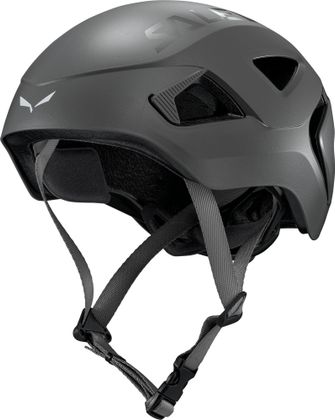
A hard outer shell protects the inner construction in everyday equipment handling. A suitable fit still matters when wearing it.
- Advantage: Robust outer surface for transport
- Drawback: Usually heavier than light foam helmets
Light foam helmet (For long routes)
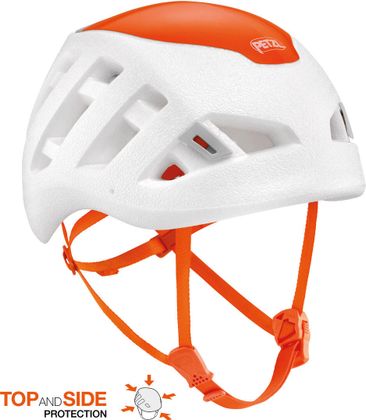
Light foam and minimal outer coverage reduce weight. Pack it without pressure from heavy objects.
- Advantage: Comfortable during long wear
- Drawback: Needs careful packing
What to look for
| Question | In brief | Why |
|---|---|---|
| Which size? | In briefCheck head size and shape | WhyThe adjustment range only helps if the shell shape is comfortable too. Do not loosen the straps to compensate for pressure points. |
| Which features? | In briefAllow for torch and hairstyle | WhyTry any head torch in the fittings. A ponytail or thin hat must not prevent correct adjustment. |
| How should I pack it? | In briefAvoid crushing | WhyKeep heavy or sharp equipment separate and protect exposed foam in particular from pressure and damage. |
Common questions
Can I climb in my ski helmet?
Only use it if its manufacturer explicitly approves climbing or mountaineering. For several sports you need the relevant approval for each intended use of that exact helmet.
When should I replace my helmet?
After a major impact or if damaged, take it out of use. Also follow the manufacturer's inspection, lifespan and storage instructions; an unknown history makes a second-hand helmet a poor choice.
How do I check the fit?
Adjust it according to the instructions and move your head in different directions. It should stay in its intended position without pressure. With the chinstrap closed, it should not shift substantially.
How should I clean it?
Use products permitted in the instructions and dry it away from strong heat. Solvents, unauthorised painting or gluing can damage materials; make changes only when approved by the manufacturer.
Last updated: November 2026