%Super deals: At least 50% off
Climbing backpacks
Buying guide ↓A narrow climbing pack leaves your arms freer than a broad, heavily packed one.
Guide
Climbing backpacks
Choose your pack alongside your harness, helmet and route equipment. On rock it should sit steady and close to your back; on the approach you need enough space and carrying comfort for the rope and other kit.
Key points
- A narrow shape makes overhead reaching easier.
- The hip belt must not cover access to your harness gear loops.
- Protect sharp equipment so it cannot damage the pack fabric.
- Choose rope and helmet attachments for what you actually carry.
Where will you carry the pack?
| Use | Choose | Bear in mind |
|---|---|---|
| Climbing with little equipment | ChooseSmall narrow pack | Bear in mindIt should stay steady as you twist and avoid pushing your helmeted head forwards. |
| Alpine day route | ChooseSupportive alpine pack | Bear in mindAllow for weather protection, food and required kit. Check accessible attachments and clearance behind your heels. |
| Approach with more equipment | ChooseRoomy climbing pack | Bear in mindCarrying support and tough construction help with heavier loads. Contents should stay easy to organise and reach. |
What to look for
| Question | In brief | Why |
|---|---|---|
| Which back length? | In briefFit it with your harness | WhyStraps and hip belt need to suit your body length. Check the loaded fit with your intended equipment rather than an empty bag. |
| Which opening? | In briefPlan access to equipment | WhyA wide opening makes rope and equipment easier to pack. Loose loops should not catch while you climb. |
| How do attachments work? | In briefUse the intended fittings | WhyHelmets, ropes and tools must stay secure. Tidy loose straps and protect points and edges from contact with the fabric. |
Common questions
Do I need a hip belt while climbing?
It distributes load on the approach, but a wide belt can interfere with your climbing harness on the route. Compare narrow, removable or stowable designs and check that you can reach every gear loop you need.
How much capacity is useful?
Gather the equipment for your particular route, including jacket and food. A smaller close-fitting pack is often more manageable while climbing. Excess empty space lets contents shift, so compare how the load sits rather than capacity alone.
Can I haul the pack at a belay?
Only use a pack with attachments explicitly intended and described for that purpose. An ordinary carrying loop may have a different job. Follow the instructions and obtain the skills required for the rope techniques involved.
How do I pack for a steady fit?
Keep heavy items close to your back and small objects in secure pockets. Compress the contents so they do not tip as you move. Wearing your helmet, check that you can look up freely and raise both arms comfortably overhead.
Last updated: November 2026
- All Climb & Via Ferrata
Climbing Pants
Harnesses
Climbing Helmets
Climbing Shoes
Climbing Backpacks
Climbing Ropes & Rope Bags
Via Ferrata Boots
Climbing & Via Ferrrata Gloves
Via Ferrata Gear
Carabiners & Quickdraws
Descenders & Belay Devices
Slings & Cords
Camming devices, Nuts & Friends
Bolts & Accessories
Climbing Ascenders
Chalk Bags & Chalk
Crash Pads
Climbing & Boulder Accessories
Compact on the route
With little equipment, look for steadiness while twisting and reaching overhead.
- Check helmet movement
- Secure loose straps
- Keep gear loops accessible
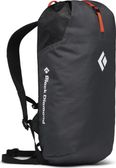
Alpine day route
Gather the route equipment and compare the loaded fit.
- Adjust back length
- Attach tools securely
- Protect against wet weather
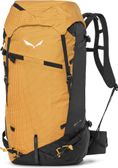
Loaded approach
A larger pack helps carry equipment when weight is balanced and contents stay accessible.
- Keep weight close
- Compare the opening
- Check with your harness
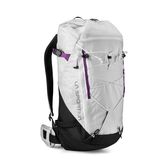
Mixed mountain use
Look for a compact shape and attachments for your actual equipment.
- Check rope attachment
- Use compression
- Try with a helmet