
Sale: from 50 % off
By use
Where do you ride?
Sunny roads
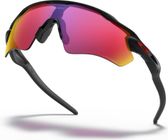
A tinted lens suits open, sunny routes. Check the selected lens version; frame colour alone does not tell you the tint.
- Read the lens specification
- Clear field of view
- Check fit with helmet
Woodland and shade
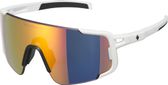
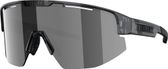
In woodland the lens must not block too much light. Options include a light spare lens or a photochromic version with a sufficiently light range.
- Check the lightest tint
- Check spare-lens contents
- Keep vents clear
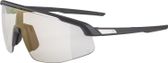
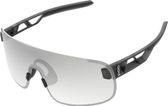
Changing light
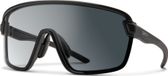
Photochromic lenses adjust themselves; interchangeable lenses are swapped by hand. Check the lightest and darkest tint of the chosen version.
- Check tint range
- Adjustment takes time
- Carry a spare when needed
Commuting and everyday
A simple sports frame can suit the daily cycle route. It should remain steady during shoulder checks and work comfortably with your helmet.
- Steady fit
- Suitable arm length
- No pressure from helmet
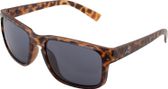
No products match these filters.
Top brands in Glasses & Goggles


Guide
Cycling Glasses
Cycling glasses keep wind and airborne dirt away from your eyes. Match the lens to your route's light conditions and check that the frame works comfortably with your helmet.
Key points
- Shaded routes and dusk need a sufficiently light lens.
- Photochromic lenses adjust their tint, but the change is not instantaneous.
- Try glasses and helmet together: the helmet must not press on the arms.
Which lens for your route?
| Use | Choose | Bear in mind |
|---|---|---|
| Sunny roads | ChooseTinted sports lens | Bear in mindCheck the specific lens colour and tint; different versions of one frame can have different lenses. |
| Woodland and dusk | ChooseSufficiently light lens | Bear in mindChoose a light spare lens or suitable photochromic range. Not every photochromic lens becomes light enough for dusk. |
| Changing light | ChoosePhotochromic or interchangeable | Bear in mindAutomatic adjustment takes time; check the full tint range for large changes in light. |
Photochromic or interchangeable?
Photochromic (Reacts to light)
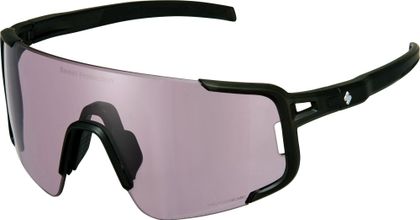
The tint changes with light. How light or dark it becomes depends on the specific lens.
- Advantage: No manual swap for ordinary light changes
- Drawback: Does not react instantly
Interchangeable (Swap by hand)
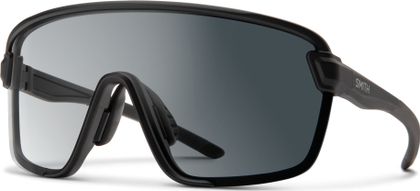
Change the lens before your ride or during a stop to suit clearly different conditions.
- Advantage: Choose a specifically lighter lens
- Drawback: You need to carry the spare lens
What to look for
| Question | In brief | Why |
|---|---|---|
| Works with your helmet? | In briefCheck arms and nose pad | WhyThe glasses should stay steady when looking over your shoulder. The helmet must not push on the arms. |
| Does darker mean more UV protection? | In briefSeparate tint from protection | WhyDarkness describes visible light reaching your eyes. Check UV protection separately in the manufacturer's specifications. |
| Need a spare lens? | In briefConsider the whole route | WhyA sunny approach can lead into shaded woodland. The darkest lens is not automatically the best choice for the complete ride. |
Common questions
Is a spare lens a complete pair of glasses?
No. Listings called Lens or Sparelens often contain only the lens. Check the exact frame and model series before ordering a replacement.
Can I ride in them at dusk?
Only if the specific lens is sufficiently light and the manufacturer considers it suitable. Strongly tinted sunglasses are inappropriate for dark routes.
What helps with fogging?
Keep the intended ventilation openings clear and avoid pressing the glasses tightly against your helmet. Clean coated lenses according to the manufacturer's instructions.
Will adult glasses fit children?
Do not choose by age alone. Frame width, nose support and arm length all need to fit. Wide frames slide down; long arms can interfere with the helmet.
Last updated: November 2026