
Sale: from 50 % off


Top brands in Alpine Touring Base Layers


- 4F
- Bergans
- Black Diamond
- Bogner Fire + Ice
- CMP
- Columbia
- Craft
- Daehlie
- Dare2b
- Devold of Norway
- Dynafit
- Falke
- Fjällräven
- Halti
- Helly Hansen
- Houdini
- Icebreaker
- J.Lindeberg
- Jack Wolfskin
- Kari Traa
- Karpos
- Klättermusen
- La Sportiva
- Löffler
- Maloja
- Mammut
- Martini
- MAUL Sport
- Millet
- Mons Royale
- Montura
- Oakley
- Odlo
- Ortovox
- Outdoor Research
- Picture
- POC
- Rab
- Salewa
- Schöffel
- Slope
- Super.Natural
- Swix
- Ternua
- Therm-Ic
- Uyn
- Whistler
- X-Bionic
No brand found
Guide
Alpine Touring Base Layers
Ski-touring base layers need to suit both sweaty ascents and quieter phases. Check thickness and leg length with trousers, socks and boots.
Key points
- For high activity, prioritise moisture transfer over maximum warmth.
- Compare merino and synthetics by use and care.
- The first layer should sit close without restricting movement.
- Choose leg length deliberately when wearing high boots.
Which option suits your use?
| Use | Choose | Why |
|---|---|---|
| Ascents | ChooseMove moisture onwards | WhyA very warm first layer can be excessive on an ascent. Consider ventilation and outer layers. |
| Cold days | ChooseWarm first layer | WhyChoose by effort level and add a suitable insulating layer for stops. |
| Inside ski boots | ChooseCropped leg | WhyThe hem should finish above the close boot shaft. Check this with your ski socks. |
| Women’s fit | ChooseCut and back length | WhyA different cut can suit waist and hips better. Your measurements are the deciding factor. |
Types compared
Light ascent layer
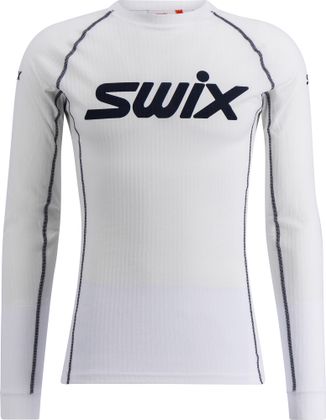
A thin long-sleeved top adds little bulk beneath a touring midlayer. It suits ascents where you sweat readily.
- Advantage: Works with outer layers that can be ventilated
- Drawback: Provides little insulation for long stops
Warm base layer
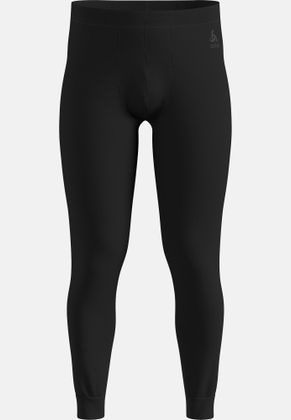
Long merino-wool bottoms add leg coverage. They suit tourers needing warmth during lower-intensity activity.
- Advantage: Wool buffers changes in moisture next to the body
- Drawback: Thick fabric can feel restrictive under snug trousers
Cropped bottoms
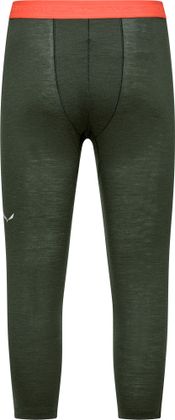
A cropped hem leaves the ski-boot area clear. It suits tourers seeking to avoid pressure from overlapping fabric.
- Advantage: Socks and base-layer hems finish separately
- Drawback: Short socks may leave a cold gap
What to look for when buying
| Question | In brief | Why |
|---|---|---|
| How intense? | In briefMatch weight to activity | WhyBody heat from hard effort needs a different first layer from long stops. Consider the outer layers too. |
| Which fabric? | In briefMerino, synthetic or blend | WhyMerino can limit odour; synthetics and blends can be constructed for rapid moisture transfer. |
| Which fit? | In briefClose without pressure | WhyFolds and bulky seams can become uncomfortable under other layers. Check raised arms and deep bends. |
| Which length? | In briefMatch to footwear | WhyA hem inside a close boot shaft can create pressure. Cropped legs finish above the shaft. |
Frequently asked questions
How do I check the fit?
Try the base layer under your next clothing layer. Raise your arms and squat: back and waist should stay covered without pressure from seams. Start with the maker’s size chart.
What does the maker’s fabric-weight figure mean?
Odlo distinguishes merino fabric weights of 160, 200 and 260 g/m². These are not universal temperature ratings.
How do I compare different designs?
Compare pieces intended for the same activity. Fabric weight, fibre content, cut and weather protection describe different properties. A higher figure is not automatically the better choice.
How do I care for it?
Follow the particular garment’s care label. Wool and blends may need different programmes from pure synthetics. Avoid unapproved treatments and dry as directed.

Last updated: October 2026