%Super deals: At least 50% off
Arm & leg warmers
Buying guide ↓Knee warmers leave your lower leg bare; full leg warmers reach the ankle.
Guide
Arm & leg warmers
Removable arm and leg warmers complement short clothing in changing temperatures. Check overlap at hems and choose fabric that suits your warmth needs and movement.
Key points
- Leg warmers need enough overlap beneath shorts.
- Brushed fabric is warmer than a very thin smooth layer.
- Upper edges and seams should stay comfortable when bending.
Which area needs covering?
| Use | Choose | Bear in mind |
|---|---|---|
| Arms | ChooseSleeve reaching beneath your shirt | Bear in mindThe upper edge should stay under the shirt sleeve without pulling when you straighten your arm. |
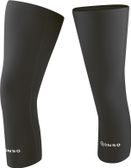
| Knees | ChooseKnee warmer with suitable edges | Bear in mindIt covers the knee while leaving the lower leg bare; fully bend your leg when trying it. |
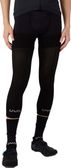
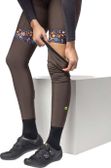
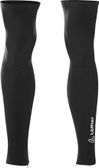
| Whole leg | ChooseLeg warmer down to the ankle | Bear in mindCompare leg length and thigh circumference with the chart and the shorts you will wear. |
What to look for
| Question | In brief | Why |
|---|---|---|
| How long? | In briefCheck hems and bending | WhyA short warmer may leave a gap at the join. Excess length can wrinkle at the knee or elbow. |
| How tight? | In briefMeasure circumference | WhyThe gripping edge should stay close without digging in. Follow the maker's measuring points; ordinary shirt or trouser size may not be enough. |
| How warm? | In briefLook at construction | WhyWarmth depends on fabric and its inner surface. For wind or rain, check the exact model's additional protection features. |
Common questions
Can I wear arm warmers with any shirt?
The sleeve needs to overlap the upper edge sufficiently. Try the two together and straighten your arms. A very loose or short shirt may hold the overlap less effectively than a suitable closer sleeve.
Are knee warmers useful for walking?
They can provide extra coverage in changing temperatures. Check the fit during high steps and downhill walking in particular. If the edges rub or slip, full-length trousers may be more comfortable.
How should I remove them outdoors?
Stop somewhere suitable, remove them and put them in a pocket. Thick bunches around wrists or knees can hinder movement and comfort; take them off fully for longer periods.
How do I care for stretch warmers?
Wash as labelled and dry away from strong heat. Hook-and-loop fastenings on other clothes can roughen delicate fabric; protect sensitive items during shared washing as the care guidance advises.
Last updated: November 2026
- All Clothing
Jackets
Vests & Gilets
Outdoor & Hiking Pants
Shorts & 3/4Pants
Shirts
Fleece Jackets
Tank Tops
Shirts & Blouses
Hoodies & Pullovers
Polo Shirts
Long Sleeve Shirts
Dresses & Skirts
Overalls & Rain Suits
Hiking Socks
Base Layers
Swimwear
Workwear
Beanies & Headbands
Gloves
Caps & Hats
Neck Gaiters, Scarves & Balaclavas
Arm & Leg Warmers
Accessories
Fabric Care, Proofing & Textile Wash
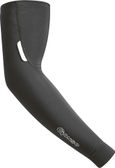
Cool-weather arms
Compare fabric thickness and overlap with your shirt. Move your arms through their full range to feel any pulling at the top.
- Overlap the sleeve
- Straighten your arms
- Check fabric thickness
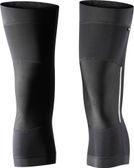
Knees only
Knee warmers leave the lower leg uncovered. The edges should hold when bending without pressing behind the knee.
- Bend your knees
- Check the edges
- Try with shorts
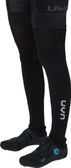
Down to the ankle
Leg warmers need enough length and suitable thigh width. Knee wrinkles or a slipping edge suggest a different cut.
- Measure leg length
- Check thigh size
- Avoid wrinkles
Small in your pack
Light arm warmers pack away as temperatures rise. Still plan appropriate outer clothing for prolonged bad weather.
- Compare packed size
- Plan pocket space
- Consider the weather