Super deals: At least 50% off
Guide
Alpine Touring Ski Boots
Choose touring boots for the balance of climbing and descending, starting with fit. Weight and cuff movement help uphill; a securely locked walk mode matters downhill.
Key points
- Dynafit's guide: all-round touring boots weigh 1,200–1,600 g per boot.
- Long climbs favour low weight and around 60° of cuff movement.
- Flex 100–120 is a guide; values across brands are not standardised.
- Check tech inserts, sole and binding approval together.
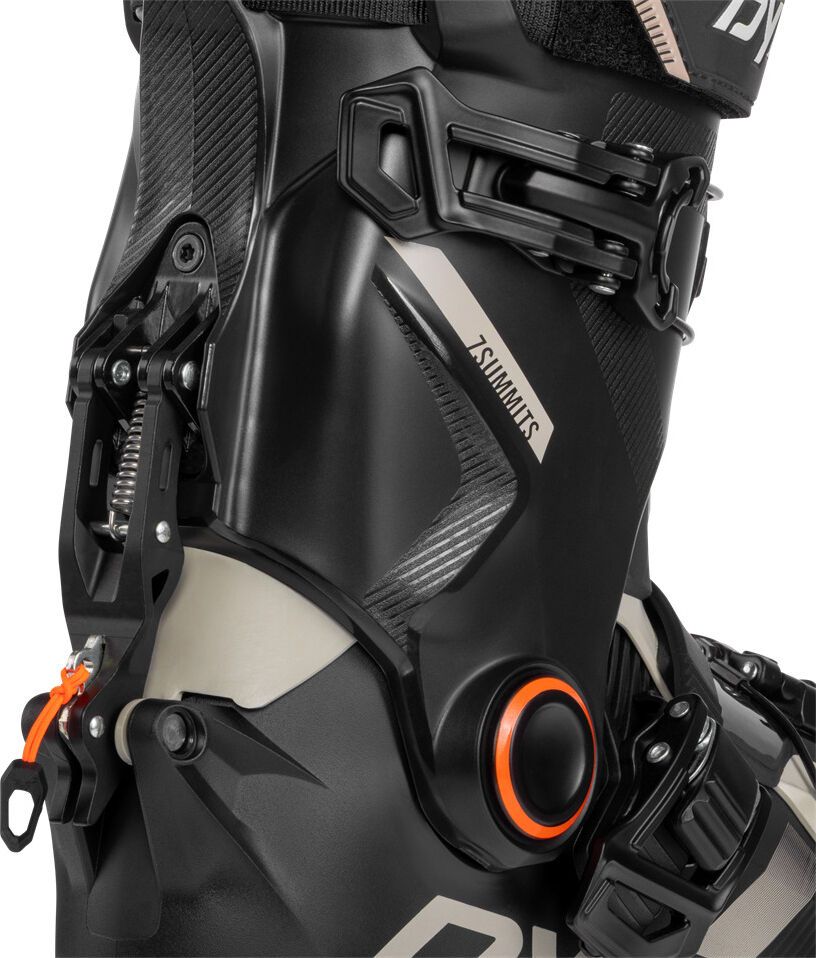
Buying advice
Which ski touring boot suits you?
Five questions on who the boot is for, touring style, ascent, foot width and budget narrow the choice. Check the boot and binding together.
- Compare by use
- Check fit and features
Which boot for which tour?
| Use | What to expect | Your choice |
|---|---|---|
| Piste-edge training | What to expectMany steps, little luggage | Your choiceLight touring boot |
| Day tours | What to expectClimb and descent equally important | Your choiceAll-round boot |
| Descent-focused tours | What to expectWide skis, short climbs | Your choiceFreetouring boot |
| High-alpine tours | What to expectLong climbs and carrying sections | Your choiceLight boot with a grippy sole |
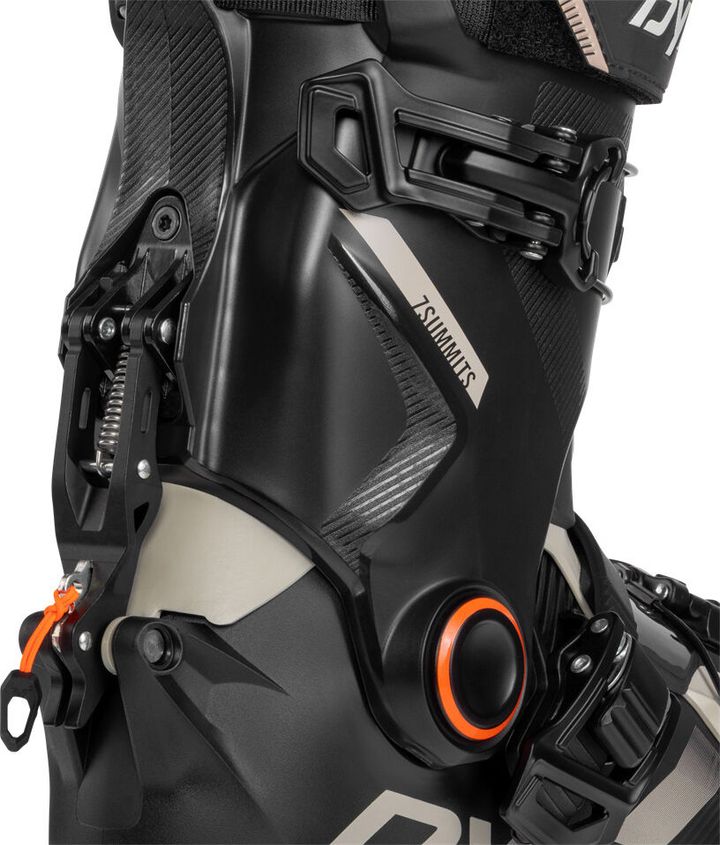
Types compared
Race boot (500–900 g)
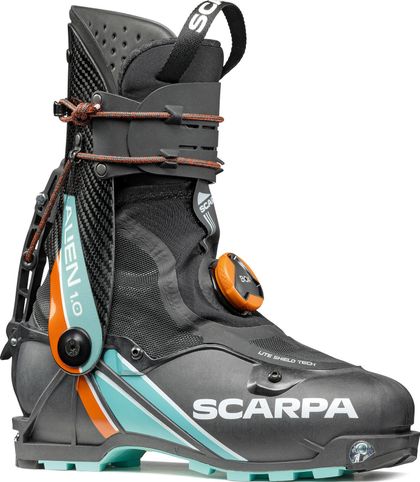
For races and training. Scarpa quotes up to 75° of cuff rotation for the Alien 1.0 Wmn.
- Advantage: One closure
- Drawback: Little support downhill
Lightweight boot (900–1,200 g)
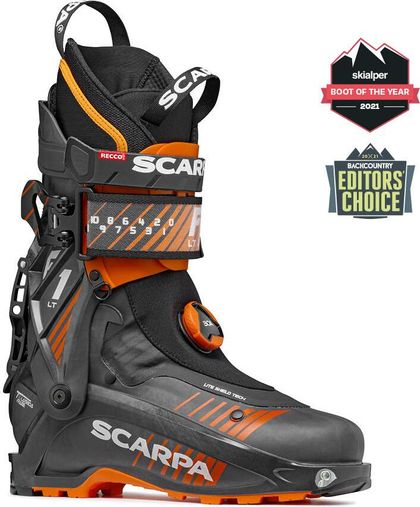
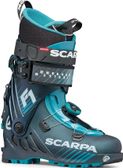
For long climbs. Scarpa lists carbon inserts and a Vibram sole for the F1 LT.
- Advantage: Low weight
- Drawback: Less support on wide skis
All-round boot (1,200–1,600 g)
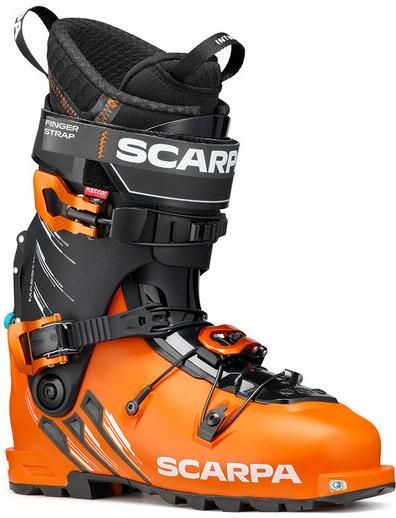
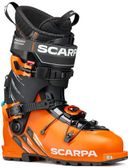
For classic tours. Scarpa lists a heat-mouldable liner for the Maestrale.
- Advantage: Flex 100 to 120
- Drawback: Heavier uphill than a lightweight boot
Freetouring boot (descent-focused)
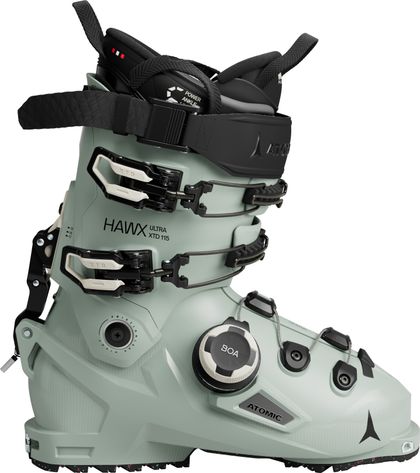
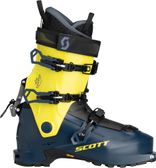
For descent-focused tours. Atomic quotes a flex of 115 for this example.
- Advantage: Firm cuff
- Drawback: Extra weight on long climbs
What to check before you buy
| Question | In short | Why |
|---|---|---|
| Are weights comparable? | In shortPer boot, same size | WhyDo not mix pair and single-boot figures. Without a reference size, comparisons are imprecise. |
| How do you measure size? | In shortMeasure both feet | WhyMondopoint uses centimetres. Check fit in walk and ski modes rather than solving width with extra length. |
| Are tech inserts fitted? | In shortCheck toe and heel | WhyPin bindings engage defined inserts. The sole standard alone does not establish this compatibility. |
Frequently asked questions
What does walk mode do?
It frees the cuff for walking. Before descending, ensure the lock engages securely; clear ice and snow from the mechanism.
Will it fit an alpine binding?
Only with the binding manufacturer's approval. A rockered touring sole does not automatically fit an alpine-only binding.
Which crampons fit?
The Alpine Club describes a front basket and rear lever for boots without a toe welt. Try the combination at home and follow the manufacturer's approval.
Can I use it for occasional piste days?
An all-round or freetouring boot may suit. A very light climbing boot offers less support on hard pistes.
Last updated: October 2026
Piste touring
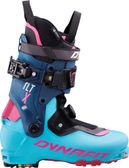
For piste touring, 60° of cuff rotation and a flex up to 105 are enough. For speed training go lightweight, 900 to 1,200 g per boot; an all-round boot holds better downhill.
- 60° cuff rotation
- flex up to 105
- smooth walk mode
Ski touring
For ski touring, choose an all-round boot with three buckles, 1,200 to 1,600 g per boot and a flex of 100 to 120. With 60° of cuff rotation it climbs well and still holds you downhill.
- 1,200–1,600 g per boot
- flex 100–120
- three buckles
- 60° cuff rotation
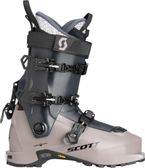
Freeride tour
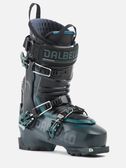
For descent-focused tours, look for a firm cuff and a securely locked walk mode. Compare weight and movement for the specific model. Check the sole standard and your binding's approval; GripWalk alone does not guarantee compatibility.
- firm cuff
- lock walk mode
- check weight reference
- check binding approval
High-alpine
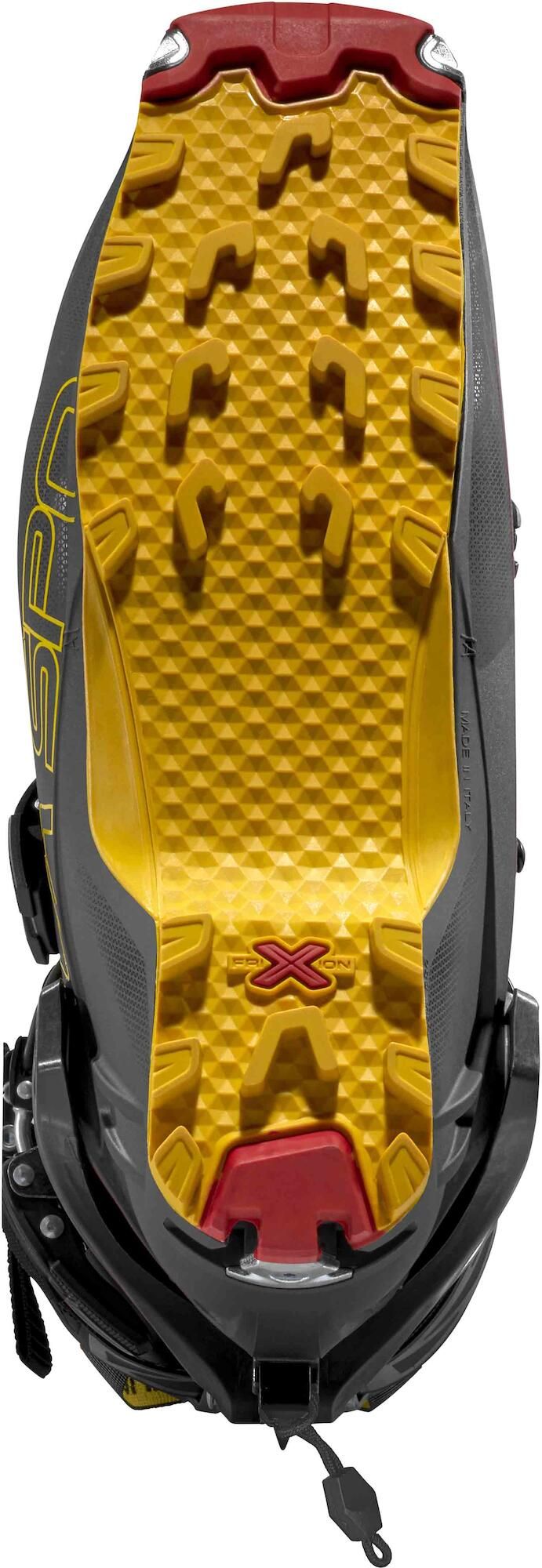
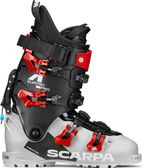
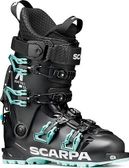
For high-alpine tours, take a lightweight boot of 900 to 1,200 g with a grippy sole and a pronounced heel welt for the crampon's rear lever. Fit boot and crampon together at home.
- 900–1,200 g per boot
- welt for crampons
- grippy sole
- 60° cuff rotation


