
Sale: from 50 % off
By use
When will you wear it?
Mild days
Fleece is comfortable in changeable mild weather; try the combination with your usual jumper.
- Free arm movement
- Comfortable collar
- Try the inner alone
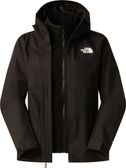
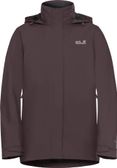
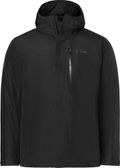
Waiting in the cold
For longer periods standing outside, check the inner jacket's filling and how closely the collar closes.
- Check filling
- Room for layers
- Close the hem
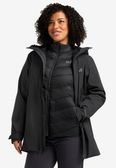
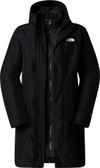
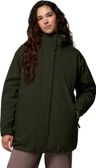
Rainy journeys
Check the hood, seams and pockets of the outer jacket for regular walks in the rain.
- Adjust the hood
- Sealed seams
- Close the cuffs
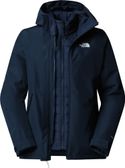
Across the seasons
A combination is especially useful when you like the fit and feel of both jackets separately.
- Try the inner
- Check the shell alone
- Matching connections
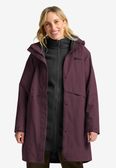
No products match these filters.
Brands we carry
Guide
Women's 3-in-1 Jackets
A removable inner makes switching between a rainy walk and a cool evening easier; its insulation and the space beneath the outer jacket still determine comfort.
Key points
- Both jackets should fit comfortably together and separately.
- Fleece suits mild days; more insulation helps when waiting in the cold.
- For prolonged rain check waterproof fabric and sealed seams.
Which combination do you need?
| Use | Choose | Bear in mind |
|---|---|---|
| Mild changeable weather | ChooseOuter jacket with fleece inner | Bear in mindThe inner can be worn separately; check that its collar is comfortable without the outer shell. |
| Cold journeys and waiting | ChooseMore heavily insulated inner | Bear in mindExtra filling needs space beneath the shell or the combination may pull when you raise your arms. |
| Rain in everyday use | ChooseWaterproof outer jacket | Bear in mindCheck the hood and cuffs; a soft inner jacket does not provide the outer shell's rain protection. |
Which design suits you?
Fleece inner
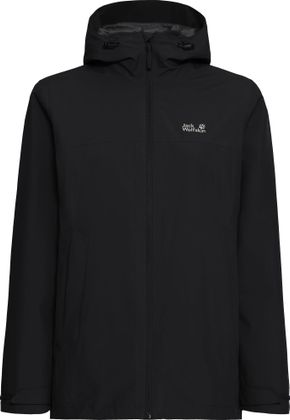
A soft inner jacket for changeable, relatively mild days.
- Advantage: Easy to wear separately
- Drawback: Less reserve for long cold waits
Down inner
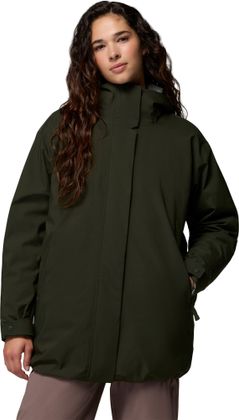
A more insulating inner layer for colder days.
- Advantage: More warmth around the body
- Drawback: Filling needs careful drying
What to look for
| Question | In brief | Why |
|---|---|---|
| Which cut? | In briefTry your everyday layers | WhyA jumper beneath both jackets should leave room to move your arms without crowding the collar. |
| Which length? | In briefSit down and walk | WhyA longer hem helps when waiting but should not pull across your stomach or zip when you sit down. |
| Replacement inner? | In briefMatch the connections | WhyZipping in another inner requires matching zips and attachment points; check the system on both garments. |
Common questions
Can I wear the inner jacket separately?
Many combinations are intended for this. Look at the inner jacket's pockets, collar and fastening if you plan to use it on its own often. An insulating layer provides less rain protection than an outer jacket designed for wet weather.
Will a different inner jacket fit?
A suitably sized jacket may work as a loose layer beneath the shell. To attach it, the zip and fixing points must match the intended system. Compare the information for both models before buying a replacement inner jacket.
Is every combination warm enough for winter?
Warmth depends on the inner jacket and how long you stay outside. Fleece may suffice for a short walk to the station, while waiting in cold weather calls for greater insulation. Wind protection and a well-closing collar also make a difference.
How do I wash the combination?
Separate the jackets and follow each care label. An insulated inner may require different washing and drying from the waterproof shell. Let both dry completely before reconnecting and storing them so no residual moisture becomes trapped inside.
Last updated: November 2026