Super deals: At least 50% off
Guide
Ski Wax
Choose ski wax by snow conditions and application, rather than packet colour alone. Universal wax covers a broader range; more specific products are matched to the stated conditions.
Key points
- Read the temperature range and snow description on the packet.
- Hot wax needs a controlled iron; liquid wax needs its stated drying time.
- Base glide wax is not automatically suitable for climbing skins.
Which wax for your ski day?
| Use | Choose | Bear in mind |
|---|---|---|
| Changeable holiday conditions | ChooseUniversal glide wax | Bear in mindPractical if you do not want a separate wax for every snow condition. |
| Known cold conditions | ChooseWax for the stated cold range | Bear in mindCheck whether the temperature refers to snow or air. Colours differ between brands. |
| Quick care without an iron | ChooseSuitable liquid wax | Bear in mindInstructions determine application, drying and finishing. Liquid waxes do not all suit the same base. |
Hot wax or liquid wax?
Hot wax (With a waxing iron)
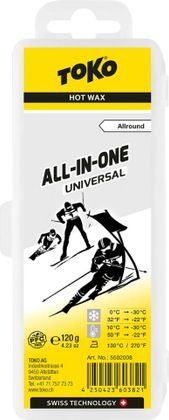
Solid wax is applied at its specified temperature, then scraped and brushed according to the instructions.
- Advantage: Suitable for regular base maintenance
- Drawback: Needs an iron and further tools
Liquid wax (Without an iron)
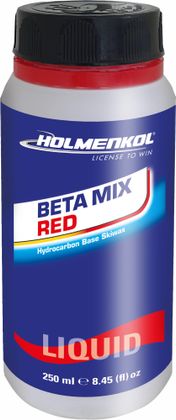
Use it for the application described on the product. Drying time is part of the process.
- Advantage: No waxing iron needed
- Drawback: Still needs drying and finishing
What to look for
| Question | In brief | Why |
|---|---|---|
| Which temperature matters? | In briefRead the packet carefully | WhySome specifications refer to snow temperature, others to air. A colour name alone is insufficient. |
| Which tools? | In briefCheck the application method | WhyHot wax needs an iron, scraper and brush. Liquid-wax instructions specify drying and finishing. |
| What about touring skis? | In briefSeparate base from skin care | WhyA base product is not automatically suitable for skin fibres or glue. Only use treatments explicitly approved for skins. |
Common questions
Is universal wax enough for a ski holiday?
A broadly usable glide wax is practical for many recreational days. Very cold or wet snow may benefit from a more specific wax. The manufacturer states the intended conditions.
Are red waxes from different brands the same?
No. Colour and product names are not a standard temperature rating. Compare printed ranges and snow descriptions rather than simply buying the same colour.
Can I apply liquid wax immediately before skiing?
Only if you allow the required drying and finishing time. Applying it and setting off immediately does not suit every product. Plan around its specific instructions.
Will base wax stop snow sticking to skins?
Use a treatment explicitly intended for climbing skins. Base waxes and cleaners are not automatically compatible with skin material and glue. Follow the skin manufacturer's instructions.
Last updated: November 2026
Which care do you need?
Broad use
Universal wax is practical in changing conditions. Still read the application instructions and intended range on the packet.
- Broad operating range
- Read the instructions
- Prepare the base first
Cold snow
Cold snow has harder waxes designed for it. Choose by the specific temperature rating rather than the colour name.
- Read temperature range
- Consider snow type
- Do not compare colour alone
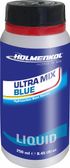
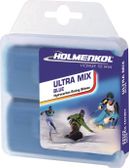
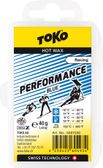
Match the temperature
Known conditions let you select a more specific wax. Check whether the rating refers to snow or air temperature.
- Expected conditions
- Read temperature reference
- Follow application method
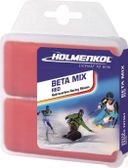
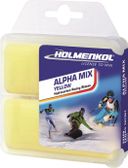
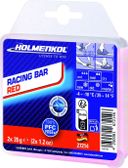
Liquid care
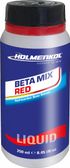
Liquid wax saves using an iron but still needs its stated drying time. Polishing or brushing also depends on the product.
- Allow drying time
- Follow instructions
- Choose suitable temperature range
No products match these filters.


