Super deals: At least 50% off
Guide
Ski hats & headbands
Match headwear to your activity: a headband leaves the top of your head open, while a beanie covers it. Helmet fit comes first; thick knitwear is better kept for breaks.
Key points
- Headbands suit hard efforts; hats provide more coverage.
- Cover your ears without edges shifting or squeezing.
- A thick hat must not change the fit of your ski helmet.
Which option suits your day?
| Use | Choose | Why |
|---|---|---|
| Active session | ChooseWarm ears, open crown | WhyFor hard efforts, choose a headband or a light sports cap. A headband leaves the crown open; a cap covers more. Check that it stays in place when turning your head. |
| Cold breaks | ChooseMore coverage | WhyA warm hat suits breaks, the walk to the lift and time outside a mountain hut. Check neck coverage and whether the lining feels comfortable over your ears. |
| Thin under-helmet layer | ChooseFit still comes first | WhyA thin cap may fit under a helmet if the maker permits it and the helmet remains secure. Avoid thick turn-ups or pom-poms underneath. |
| Soft fabric | ChooseComfort at forehead and ears | WhyFor sensitive skin, check the lining and fabric blend. Try the forehead edge in particular, where rough fabric soon becomes uncomfortable. |
Types compared
Headband
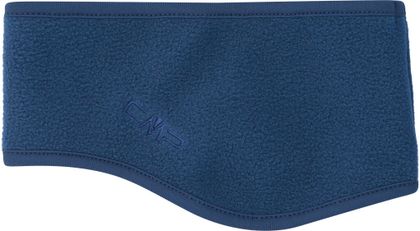
Band over the ears for activity with an open crown. Check it stays put when turning.
- Advantage: Leaves the crown open to release heat
- Drawback: Does not cover the crown
Beanie
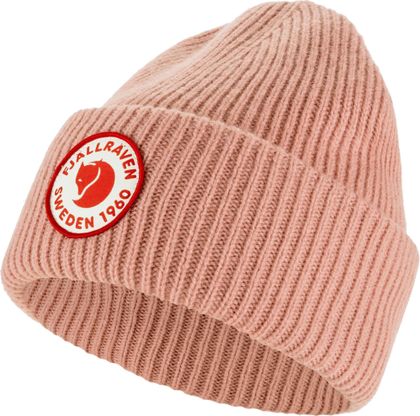
Covered crown for more coverage in the cold. Thick knitwear may be bulky under a helmet.
- Advantage: Covers the crown
- Drawback: Thick versions can overheat during sport
What to check before buying
| Question | In brief | Why |
|---|---|---|
| Which size? | In briefMeasure head circumference | WhyMeasure your head and use the brand’s chart. One-size garments can stretch differently depending on the fabric. |
| How much warmth? | In briefSeparate activity and breaks | WhyClimbing generates heat. Thick headwear is better suited to quieter periods; change a damp headband before resting. |
| What works with a helmet? | In briefThin and smooth | WhyThe helmet must stay secure and level with the extra layer. If it sits higher or straps shift, the combination is unsuitable. |
| Which model figure can I compare? | In brieffabric content: 100% polyester | WhyCMP specifies 100% polyester for CMP Woman Fleece Headband. This is a model figure, not a minimum for the category. |
Frequently asked questions
Is a headband enough in winter?
It can be enough during high effort; wind, personal comfort and breaks make the difference. Carrying a dry hat helps during quieter periods.
What does one size mean?
A stretch size range, not a guarantee for every head. Check the manufacturer’s guidance and whether ears and forehead stay covered without pressure.
Can wool feel bulky under a helmet?
Yes, particularly thick knits and turn-ups. The material alone says little about thickness; check the actual combination with your helmet.
How do I dry a damp hat?
Follow the care label and dry fully before packing. Avoid wringing wool knits hard or stretching them over a narrow edge.
Last updated: October 2026
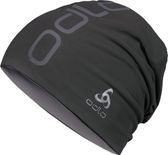
Active session
For hard efforts, choose a headband or a light sports cap. A headband leaves the crown open; a cap covers more. Check that it stays in place when turning your head.
- Cover your ears
- Light fabric
- Stay-put fit
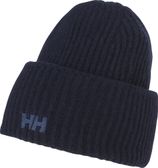
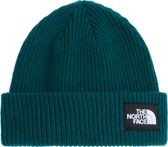
Cold breaks
A warm hat suits breaks, the walk to the lift and time outside a mountain hut. Check neck coverage and whether the lining feels comfortable over your ears.
- Covered crown
- Soft edge
- Check with your collar
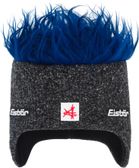
Thin under-helmet layer
A thin cap may fit under a helmet if the maker permits it and the helmet remains secure. Avoid thick turn-ups or pom-poms underneath.
- Thin fabric
- No bulky edge
- Recheck helmet fit
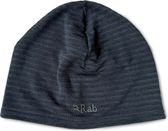
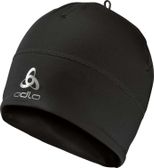
Soft fabric
For sensitive skin, check the lining and fabric blend. Try the forehead edge in particular, where rough fabric soon becomes uncomfortable.
- Check the lining
- Try against your skin
- Avoid a tight fit


Brands we carry


- Atomic
- Barts
- Bergans
- Black Diamond
- Bogner
- Bogner Fire + Ice
- Chillaz
- CMP
- Columbia
- Craft
- Crazy
- Daehlie
- Dale of Norway
- Dare2b
- Devold of Norway
- Dynafit
- Eisbär
- Elevenate
- Falke
- Finkid
- Fjällräven
- Goldbergh
- Haglöfs
- Halti
- Helly Hansen
- Holebrook
- Houdini
- Icebreaker
- Jack Wolfskin
- Kari Traa
- Karpos
- La Sportiva
- LEGO® kidswear
- Level
- Löffler
- Maloja
- Marmot
- Martini
- Millet
- Mini a ture
- Mons Royale
- Montura
- Napapijri
- Nikkie
- O'Neill
- Oakley
- Odlo
- Outdoor Research
- Picture
- POC
- Rab
- Reima
- Rossignol
- Salewa
- Scott
- Slope
- Sportalm
- Spyder
- Super.Natural
- Swix
- Ternua
- The North Face
- Uyn
- Whistler
- X-Bionic
- Zanier
No brand found