%Super deals: At least 50% off
Bike Protection
Buying guide ↓A pad must stay over the joint as you crouch into riding position and stand up again.
Guide
Bike Protection
Flexible pads feel more comfortable on long climbs; for rough descents also compare coverage and the protection rating for the particular body area.
Key points
- Try knee and elbow pads with your joints bent in riding position.
- Choose back length and waist size using the manufacturer's chart.
- Read the model's protection rating and the body area it covers.
Which area needs protection?
| Use | Choose | Bear in mind |
|---|---|---|
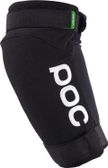
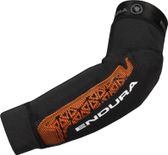
| Elbows | ChoosePre-shaped joint pad | Bear in mindThe pad should stay in place with your arm straight without cutting into the inside of the elbow. |
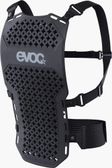
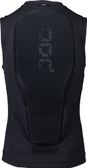
| Back and chest | ChooseWell-fitting torso protector | Bear in mindChoose length and fastenings so the protector does not move towards your neck as you lean forwards. |
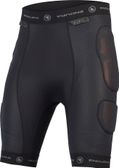
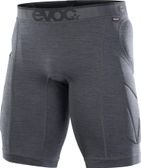
| Hips and thighs | ChooseProtective undershorts | Bear in mindTry them beneath your cycling shorts; pads and seams should not press against the saddle. |
What to look for
| Question | In brief | Why |
|---|---|---|
| Which size? | In briefMeasure circumference and length | WhyA tightly pulled strap cannot correct the wrong size. Large pads slip; overly tight ones can restrict movement. |
| Which protection? | In briefRead the label closely | WhyCheck which body area is covered and the riding use specified by the manufacturer for that model. |
| How to wash? | In briefFollow insert care instructions | WhySome pads have removable inserts; excessive heat or unsuitable washing products can damage protective materials. |
Common questions
Are soft pads suitable for trail riding?
That depends on the particular model's intended use and protection rating. Flexibility and ventilation help during long periods of pedalling. For descents compare the area covered as well, and check that the pad remains securely positioned when you move.
How do I check the fit?
Bend the joint repeatedly and adopt your normal riding position. The protective section should stay centred without pressing hard or bunching inside the bend. Measure the points specified by the maker; your usual clothing size may differ.
Can I wear a back protector under a rucksack?
Try both together over your usual riding clothes. Shoulder straps and a hip belt should not shift the protector or press an edge into your back. Check that the rucksack remains stable too and that you can still move freely on the bike.
When should I replace protection?
Inspect it after a fall and follow the manufacturer's replacement guidance. Visible cracks, damaged inserts and stretched fastening straps call for closer attention. If you are unsure about its condition, have the particular protector assessed by a specialist.
Last updated: November 2026
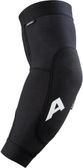
Elbows
Try the pad with your elbow bent so the insert stays where it is intended to protect.
- Measure circumference
- Free elbow bend
- Secure the straps
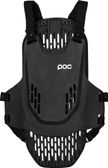
Back and chest
Torso protectors differ in coverage; read the details for the particular protected body area.
- Measure back length
- Try with your jersey
- Read the rating
Knees and hips
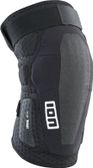
Knee pads and protective undershorts cover different areas; choose the protector for the body area you want to cover.
- Read coverage
- Try with shorts
- Free movement
With a rucksack
Lean forwards and check that straps neither shift the protector nor create pressure points.
- Adjust the straps
- Keep edges clear
- Check movement