%Super deals: At least 50% off
Glide wax
Buying guide ↓Guide
Glide wax
Glide wax must match both your preparation method and snow conditions. Start with liquid application or hot waxing, then read the manufacturer's ranges and processing instructions.
Key points
- Glide wax does not replace kick wax or klister.
- Colour codes are not consistent between brands.
- Follow the stated iron temperature for hot wax.
- Liquid products may be care waxes or additional finishes.
What will you do to the base?
| Use | Choose | Bear in mind |
|---|---|---|
| Quick maintenance | ChooseLiquid wax | Bear in mindAllow the specified drying time and brushing even without an iron. |
| Full workshop service | ChooseHot wax | Bear in mindYou need a suitable workspace, wax iron, scraper and brushes. |
| Specific snow conditions | ChooseWax intended for that range | Bear in mindDo not confuse snow temperature with air temperature. |
What to look for
| Question | In brief | Why |
|---|---|---|
| Which process? | In briefRead all preparation steps | WhyNot every liquid product replaces basic preparation. A top finish may be intended for an already prepared base. |
| Which temperature? | In briefCheck what is measured | WhyPackaging may specify snow temperature, air temperature or both. Compare the same measurement and the actual snow conditions. |
| Which part of the ski? | In briefConsult the ski instructions | WhyClassic skis have separate glide and grip zones. Skins and mechanical grip patterns need care specifically approved for them. |
Common questions
Can I use glide wax on cross-country skis?
Yes, in the designated glide zones and where the product is approved. A classic ski's grip zone serves a different purpose. Do not apply ordinary glide products across skins or patterned grip areas; follow both ski and care-product instructions.
Does blue mean the same thing for every brand?
No. Colours belong to each manufacturer's range rather than a universal temperature chart. Read the conditions directly on the product. Liquid and solid versions within a range may also require different preparation steps.
Can I apply hot wax with a household iron?
Better not. A wax iron holds its temperature more precisely and is kinder to the base. Set it to the temperature given on the wax; the colour alone does not tell you.
Does liquid wax need to dry after application?
Follow its stated drying or curing time and brushing or polishing instructions. Not every product is intended for immediate use after application. Preparing the base properly remains relevant even when choosing a quick liquid method.
Last updated: November 2026
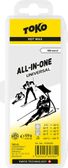
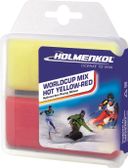
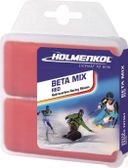
Workshop hot waxing
These solid waxes differ in range; read preparation details on their packaging.
- Read iron setting
- Prepare base
- Scrape and brush
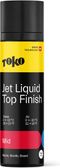
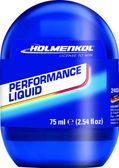
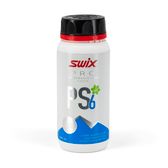
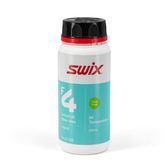
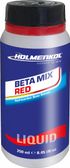
Liquid maintenance
Compare these liquid care products for application and finishing steps.
- Clean base
- Allow time
- Follow directions
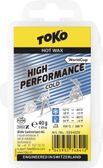
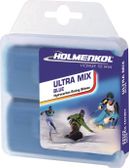
Colder snow
These cold-condition products include solid wax and finish with different processes.
- Read snow range
- Distinguish methods
- Look beyond colour
Liquid finishing
Check whether each liquid is a final treatment or a stand-alone maintenance product.
- Read product role
- Prepare base
- Plan finishing steps