
Sale: from 50 % off
What will the ski day involve?
Cold lift rides
Choose a warmer long-sleeved top and consider the jacket's insulation. The back should stay covered when your child bends forwards.
- Long sleeves
- Match jacket warmth
- Keep the hem tucked in
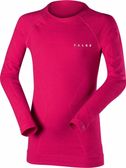
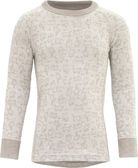
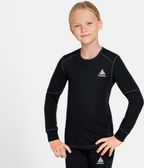
Lots of movement
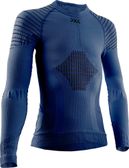
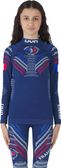
A light synthetic layer moves moisture away quickly. A close fit should allow free movement without folds or pressure around the tummy.
- Light synthetics
- Stretchy fit
- No gathered fabric
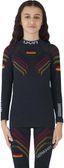
Long days
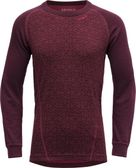
Merino or a wool blend suits changing activity levels. Spread the top out after skiing so it can dry fully overnight.
- Merino or wool blend
- Stay dry during stops
- Air after skiing
Soft neckline
A crew neck lies flat under a midlayer. Ask your child to turn their head and raise their arms to check the opening feels comfortable.
- Crew neck
- Flat seams
- Free arm movement
No products match these filters.
Brands we carry
Guide
Kids' ski base layer tops
Ski lessons alternate between racing about, lift rides and waiting. A base layer should sit close and keep your child's back covered when they raise their arms.
Key points
- Synthetics suit active skiing and dry quickly after a day on the slopes.
- Warmer merino layers are an option for cold lift rides.
- Buy for their current height; excessive growing room creates folds under the jacket.
- Soft collars and flat seams make long days in the snow more comfortable.
What goes under the ski jacket?
| Use | Choose | Bear in mind |
|---|---|---|
| Lessons in freezing weather | ChooseWarmer long-sleeved top | Bear in mindAllow for the jacket's insulation so your child does not overheat while playing. |
| Energetic skiing | ChooseLight synthetic fabric | Bear in mindThe top should follow the chest and back without pulling as the arms move. |
| Several days away | ChooseMerino or a wool blend | Bear in mindAir it afterwards and let it dry fully before putting it on again. |
| Moving indoors and out | ChooseShort neck zip | Bear in mindOpening the collar releases warmth; the zip pull should sit comfortably below the chin. |
Wool or synthetics?
Merino (For long days)
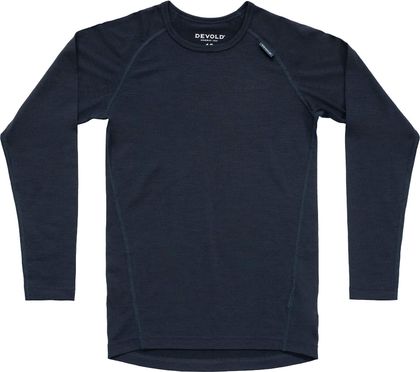
Wool is comfortable against the skin during changing activity levels and longer stops.
- Advantage: Comfort over long wear
- Drawback: Slower to dry
Synthetics (For active skiing)
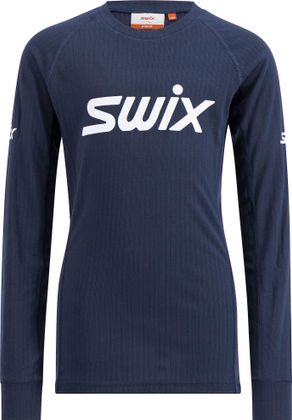
A light synthetic top dries promptly after a busy day in the snow.
- Advantage: Quick drying
- Drawback: May need washing more often
What to look for
| Question | In brief | Why |
|---|---|---|
| How much growing room? | In briefKeep the spare room modest | WhyAn oversized top gathers at the armpits and is less effective at moving moisture away from the body. |
| Which neckline? | In briefMatch the next layer | WhyHigh collars cover the neck. Several zips stacked together can rub the chin; a crew neck lies flatter there. |
| How should it fit? | In briefArms up, then crouch | WhyThe hem should stay tucked into the trousers. Sleeves should neither ride up nor cover the palms. |
Common questions
Does my child need the thickest top?
Not in every forecast. A child who keeps moving during lessons may be comfortable in a lighter base layer under an insulated jacket. Consider the warmth of the complete outfit.
Can they wear yesterday's top again?
Let it dry first. Airing can freshen merino, while sweaty synthetic layers benefit from washing according to the care label. Keep damp clothing out of the ski bag.
What helps with an itchy neckline?
A crew neck without a zip pull may feel better. Wool varies with the yarn and blend; let your child feel the fabric against their neck before choosing.
Can a normal T-shirt go underneath?
A ski base layer works as the first layer. An extra cotton T-shirt holds moisture and can feel cold while waiting. Wear the technical top directly against the skin.
Last updated: November 2026