%Super deals: At least 50% off
Outdoor first aid
Buying guide ↓Guide
Outdoor first aid
For a trip choose an organised kit whose contents you know. Match the supplies to your group and time away, and pack them where they can be reached quickly.
Key points
- Distinguish a stocked kit from an empty pouch before buying.
- Take emergency shelter and protection appropriate to your route.
- Restock after use and check expiry dates.
What do you need on the trip?
| Use | Choose | Bear in mind |
|---|---|---|
| Short walk | ChooseCompact stocked kit | Bear in mindKeep the contents accessible and protected from moisture. |
| Several days or a group | ChooseMore comprehensive kit | Bear in mindCompare the contents with group size and your first-aid knowledge. |
| Your own supplies | ChooseClearly organised empty pouch | Bear in mindFill it deliberately; the pouch itself does not supply dressings. |
What to look for
| Question | In brief | Why |
|---|---|---|
| How do I keep supplies dry? | In briefPlan waterproof protection | WhyA sealed bag or waterproof cover protects vulnerable packaging. Check the stated protection of the actual pouch. |
| What else is needed? | In briefAdd personal requirements | WhyPlan essential personal medication and group needs separately. A ready-made kit is your starting point. |
| Where should I pack it? | In briefWithin easy reach | WhyNobody should need to empty the whole rucksack in an emergency. Show the group where the supplies are before setting off. |
Common questions
How can I tell whether a kit is stocked?
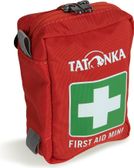
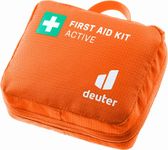
Read the supplied contents list. A medical backpack or first-aid pouch may arrive without consumables. Compare the actual items included rather than judging the size of the bag or relying on its name.
Will a small kit serve a group?
That depends on group size, trip length and distance from help. Review the contents before leaving and add suitable consumables. An up-to-date first-aid course helps you use the supplies you carry effectively.
When should I check the contents?
Before a trip and after every use. Replace used supplies and check expiry dates, intact packaging and the condition of the pouch. Replace sterile items whose packaging is damp or damaged before the next outing.
Can an emergency bivvy replace a blanket?
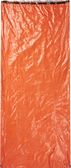
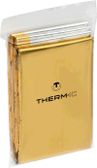
Both help protect against cooling, but their shape and handling differ. Plan emergency weather protection for the particular route and group, and learn how to use it on a course beforehand so that it is familiar when needed.
Last updated: November 2026
- All Outdoor Equipment
Backpacks
Poles
Sunglasses
Sleeping Bags, Pads and Travel Pillows
Camping Furniture
Headlamps & Light
Tents
Cookware
Water Bottles & Cups
Snowshoes
Crampons
First Aid
Duffles & Luggage
Ice Axes & Screws
Avalanche Safety Gear
Navigation & Watches
Accessories
Strollers, Kids’ Scooters & Kickboards
Kids & Baby Essentials
Roof Racks, Roof Boxes & Car Accessories
Day trip
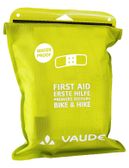
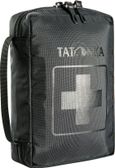
A small stocked kit is easy to keep accessible. Read the contents and add personal requirements before leaving.
- Know the contents
- Moisture protection
- Easy access
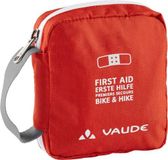
Multi-day trip
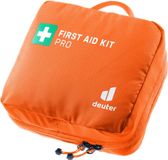
For longer trips compare a larger supply of consumables and robust packaging. Replace items used along the way.
- Group needs
- Expiry dates
- Restock
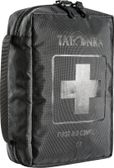
Own supplies
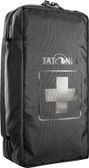
Choose compartments that keep your equipment organised. Practise opening it fully and finding important items quickly.
- Included contents
- Clear compartments
- Add supplies
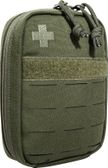
Protection in wet weather
Keep dressings protected from water and plan protection from cooling. Compare a waterproof kit cover with an emergency blanket and bivvy.
- Water protection
- Emergency blanket
- Emergency bivvy