Super deals: At least 50% off
Guide
Cycling Gilets
A cycling gilet protects your torso and leaves your arms free. Thin wind protection suits chilly starts and descents, insulation adds warmth; the back determines ventilation and spray protection.
Key points
- Mesh backs vent well; a solid back resists spray better.
- Check the actual packed size if it needs to fit a jersey pocket.
- An insulated gilet is warmer and bulkier than a thin wind gilet.
Which gilet suits your ride?
| Use | Choose | Bear in mind |
|---|---|---|
| Cool starts and dry descents | ChooseThin wind gilet | Bear in mindWind protection at the front, more airflow behind. It should open and pack away easily. |
| Wet off-road routes | ChooseGilet with rear spray protection | Bear in mindMesh alone does not stop rear-wheel spray. Check which areas are protected. |
| Long cold rides | ChooseInsulated cycling gilet | Bear in mindExtra torso warmth without covering the arms. Your jacket choice still depends on the weather. |
| Low-light commuting | ChooseReflective panels | Bear in mindVisibility complements the required bicycle lights; it does not replace them. |
Wind protection or insulation?
Wind gilet (Packs small)
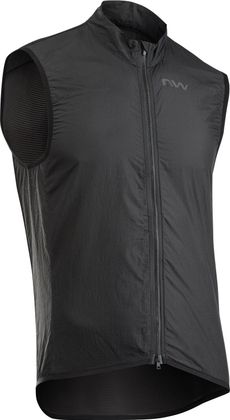
A thin gilet goes over a jersey when needed and back into a pocket when you warm up.
- Advantage: Small packed size
- Drawback: Little warmth when inactive
Insulated gilet (Extra warmth)
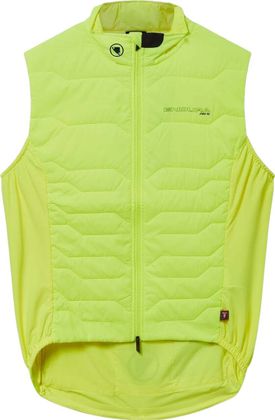
Added insulation keeps your torso warmer in cold weather than a thin wind layer.
- Advantage: More warmth in reserve
- Drawback: Bulkier to carry
What to look for
| Question | In brief | Why |
|---|---|---|
| How does it fit on the bike? | In briefCheck in riding position | WhyThe back should stay covered without a large pouch of fabric at the front. Tight armholes restrict steering movements. |
| Can I reach pockets? | In briefTry it over your jersey | WhyNot every gilet has pockets or access to jersey pockets. Choose according to what you need to carry. |
| Need rain protection? | In briefRead which panels are protected | WhyA water-repellent front or rear spray panel is not a fully waterproof jacket. Every gilet leaves the arms uncovered. |
Common questions
Can a gilet replace a rain jacket?
Not in persistent rain. Even waterproof front and rear panels leave the arms exposed. Longer wet rides need suitable rain protection.
What does a mesh back do?
It lets heat and moisture escape more readily, but also admits wind and spray. This suits hard rides in dry weather better than wet routes without mudguards.
Which size should I choose?
It needs to fit over your intended jersey or jacket and remain steady around the torso in riding position. An over-vest for visibility may have a roomier cut than a sports wind gilet.
When is insulation useful?
When a thin wind gilet is not warm enough at the torso. Remember the exposed arms and storage space. An easy-to-use zip helps when effort varies.
Last updated: November 2026
What do you need it for?
Light wind protection
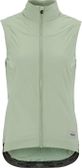
A thin wind gilet shields the torso from airflow. Packed size and fabric need to suit your jersey pocket.
- Windproof front
- Small packed size
- Fit in riding position
More visible commuting
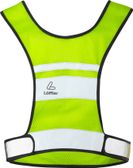
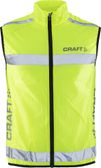
Reflective elements can help on the commute. They do not replace working bicycle lighting that meets local requirements.
- Reflective areas
- Fits over your jacket
- Lights still required
Gravel and woodland
Wet tracks expose the back to wheel spray. Check the areas actually protected, rather than just the front panel.
- Check back fabric
- Free shoulders
- Accessible pockets
Extra torso warmth
Insulated gilets suit colder rides. They warm the torso while leaving your arms without their own protective layer.
- Insulation
- Protect arms separately
- More packed volume

No products match these filters.


