Super deals: At least 50% off
Guide
Sleeping Bag Stuff Sacks
Do you want a smaller sleeping-bag package or protection from water? Compare compression straps, fabric and closure, then let the filling loft again for storage at home.
Key points
- Compression straps reduce the packed volume of soft equipment.
- Water protection needs waterproof fabric, seams and a suitable closure.
- Choose a size that matches your sleeping bag's actual packed volume.
- Store the dry sleeping bag loosely at home as its care instructions advise.
What should the sack do?
| Use | Choose | Bear in mind |
|---|---|---|
| Pack a sleeping bag smaller | ChooseCompression sack | Bear in mindChoose a suitable capacity and tighten the straps evenly. |
| Keep contents dry inside a pack | ChooseLight waterproof stuff sack | Bear in mindClose as instructed and protect it from sharp objects. |
| Organise several items | ChooseSmaller separate bags | Bear in mindConsider access and how they fit inside the rucksack. |
Compress or keep dry?
Compression sack (Reduce volume)
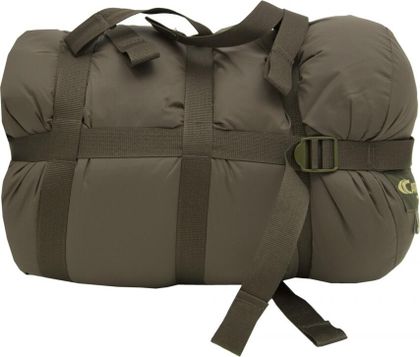
Straps pull soft equipment into a smaller package. For water protection, compare the construction as well.
- Advantage: Saves luggage space
- Drawback: Compression alone does not seal it
Waterproof stuff sack (Keep contents dry)
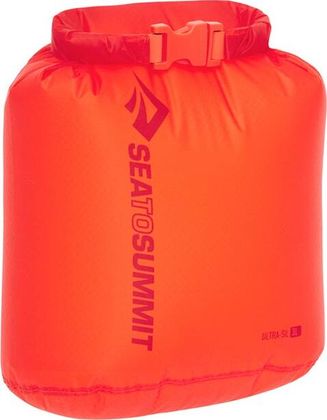
Waterproof fabric, seams and closure protect contents within the stated use. Leave space to close the opening correctly.
- Advantage: Protects vulnerable contents
- Drawback: Closure needs an unfilled edge
What to look for
| Question | In brief | Why |
|---|---|---|
| Which size? | In briefMatch the sleeping bag | WhyA small opening makes packing harder. An oversized bag is less convenient to arrange inside your rucksack. |
| How does it close? | In briefAllow an unfilled edge | WhyClose a roll-top exactly as instructed. Do not fill the sack right up to its opening. |
| How robust must it be? | In briefConsider external contact | WhyA light inner bag needs protection from abrasion and sharp objects. Externally carried bags need suitable construction. |
| How do I preserve loft? | In briefUnpack after travelling | WhyDry the sleeping bag fully and store it as instructed rather than leaving it heavily compressed. |
Common questions
Is every compression sack waterproof?
Also compare fabric, seams and closure. Straps reduce the package size; wet conditions require an explicitly waterproof construction.
How do I choose the right size?
Compare the sleeping bag's packed dimensions with the sack. Leave enough space for its closure and check the resulting package fits your rucksack compartment.
Can I pack clothing with the sleeping bag?
If there is room, but it makes separate access harder. Several smaller bags help keep dry sleeping clothes apart from frequently used items.
Can a dry bag be submerged?
Follow the specific model's stated use. Carrying equipment inside a rucksack and using it in water place different demands on the bag.
Last updated: November 2026
What would you like to pack?
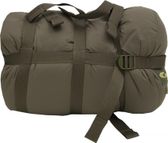
Compress a sleeping bag
Compare the required volume and compression straps. For wet conditions, also check the stated protection against water.
- Match the capacity
- Tighten straps evenly
- Unpack after the trip
Dry clothing inside a pack
Light waterproof bags fit inside the rucksack. Close them as instructed and keep sharp equipment away.
- Leave space to close
- Check the seams
- Protect from abrasion

More robust packing
Compare tougher bags by fabric and attachment. Read whether they suit the load and exposure you have planned.
- Check the fabric
- Check attachments
- Observe stated use
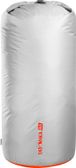
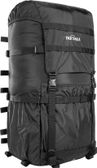
Space and water protection
A waterproof compression sack combines a smaller package with a sealed closure. Leave enough room at the top to close it.
- Compare construction
- Release air as instructed
- Check the closure
No products match these filters.


