%Super deals: At least 50% off
Camping First Aid
Buying guide ↓Guide
Camping First Aid
A campsite stay and a remote walk call for different preparation; an accessible kit needs suitable contents, intact packaging and regular checks.
Key points
- Read the delivery list: some medical pouches are supplied empty.
- Replace used and expired supplies before travelling.
- Keep the kit accessible and protected from moisture.
What suits your trip?
| Use | Choose | Bear in mind |
|---|---|---|
| Day outing | ChooseCompact filled kit | Bear in mindReview the supplied contents and room for additions in relation to your planned route. |
| Travelling as a group | ChooseMore supplies | Bear in mindMatch quantities to group size and access to help rather than selecting only by bag dimensions. |
| Remote campsite | ChooseAdd weather protection | Bear in mindPlan warmth and a way to call for help; learn equipment use on a first-aid course. |
What to look for
| Question | In brief | Why |
|---|---|---|
| Filled or empty? | In briefRead the contents list | WhyA medical organiser may come without dressings. Check the actual supplied contents of every accessory. |
| How accessible? | In briefAgree a fixed location | WhyEveryone travelling should know where the kit is kept instead of searching different bags in an emergency. |
| How to maintain it? | In briefCheck packaging and expiry | WhyReplace damaged sterile packs and used supplies; after wet trips inspect the bag and its contents as well. |
Common questions
Is a small kit enough for a family?
That depends on the trip, group size and available medical support. Read the contents list and add deliberately rather than simply buying a larger pouch. Discuss personally needed medicines or supplies with an appropriate professional before travelling.
Are all medical bags supplied filled?
No. Transport pouches and organisers may require contents to be bought separately. Check the delivery list and packing list carefully. A large empty bag helps organise equipment but does not replace the supplies or the knowledge needed to use them.
How do I protect the contents from moisture?
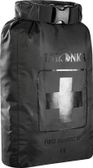
Use an appropriate waterproof cover or a kit designed for wet conditions and check the closure. Pack it where it remains readily accessible. After a damp trip inspect the bag and the packaging before putting the kit away again for the next outing.
What should I practise before travelling?
An up-to-date first-aid course helps you become familiar with equipment and respond when needed. Show companions where the kit is stored and plan a way to call for help. Refresh your knowledge before travelling so you can use the supplies in your kit.
Last updated: November 2026
Short outing
Read the packing list and keep the kit where it can be reached without prolonged searching.
- Read contents list
- Check supplies
- Choose a fixed place
Group travel
Review the contents together and add supplies according to the journey and access to help.
- Consider the group
- Review quantities
- Plan additions
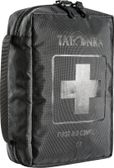
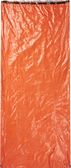
Keeping warm
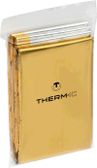
A survival blanket or bivvy bag can complement preparations for the route; learn its use on a course.
- Check packaging
- Refresh training
- Keep accessible
Remote routes
Plan the kit, weather protection and a means of calling for help together for remote walks.
- Consider the route
- Show kit location
- Keep moisture out