Super deals: At least 50% off
Guide
Camping cookware
Decide what you want to cook and which fuel you can obtain first. Pot, stove and connection must be compatible; choose tableware for your party and transport.
Key points
- Choose fuel and connections exactly as specified in the stove manual.
- Check pot capacity, support area and intended portions together.
- Operate stoves according to instructions, clear of combustible materials.
Which design suits your use?
| Use | Design | What matters |
|---|---|---|
| Cook meals | DesignStove with a compatible pot | What mattersCheck the fuel, connection and permitted pot size. A pot alone is not a complete cooking system. |
| Light packing | DesignCompact pot or kettle | What mattersA small pot saves space but needs usable capacity for your meal and safe space below the rim. |
| Eat & serve | DesignPlate, bowl or cutlery | What mattersStacking helps transport. Material and temperature limits determine suitable uses. |
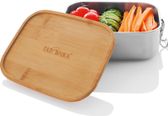
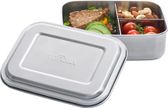
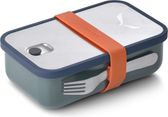
| Carry food | DesignFood container | What mattersA secure box keeps contents together. Check the description for liquid sealing and insulation. |
Designs compared
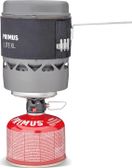
Stove with a compatible pot
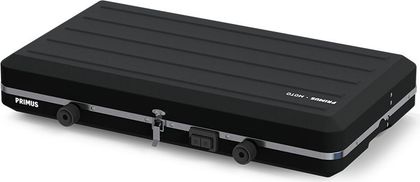
Check the fuel, connection and permitted pot size. A pot alone is not a complete cooking system.
- Advantage: Heats water or food
- Drawback: Needs suitable fuel and cookware
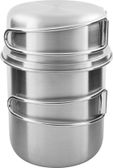
Compact pot or kettle
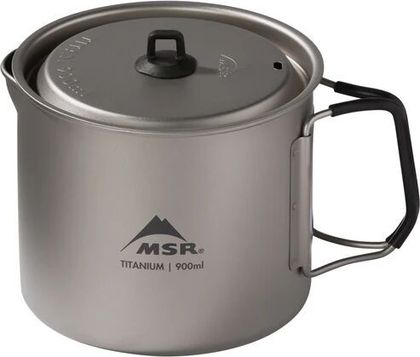
A small pot saves space but needs usable capacity for your meal and safe space below the rim.
- Advantage: Holds food for cooking and serving
- Drawback: Does not generate heat itself
What to check before buying
| Question | In brief | Why |
|---|---|---|
| Which fuel? | In briefCompatibility first | WhySimilar threads or cartridge shapes do not automatically mean the combination is approved. |
| Which material? | In briefWeight and handling | WhyTitanium, steel and aluminium differ in use. Check coating and cleaning requirements too. |
| How to pack? | In briefCheck all parts together | WhyPots, lids and accessories should nest safely; sharp edges can damage coatings. |
Frequently asked questions
Can any pot go on any stove?
No. Follow the stove limits for pot dimensions and weight, and the pot manufacturer guidance. An oversized or unstable pot may tip or reflect heat in an unsuitable way.
What else do I need?
Depending on the stove, suitable fuel, possibly an ignition source and appropriate cookware. Check the package contents: pictures may show accessories sold separately.
Can I cook inside my tent?
Follow the manufacturer safety instructions. Combustion stoves do not belong in enclosed spaces or an inner tent because of fire and poisoning risks. Plan a suitable safe cooking spot.
How should I clean coated pots?
Use the method recommended by the manufacturer and avoid abrasive tools. A bag or soft separator can protect the coating during transport.
Last updated: October 2026
What matters to you?
Cook meals
Stove with a compatible pot. Check the fuel, connection and permitted pot size. A pot alone is not a complete cooking system.
- Stove with a compatible pot
- Compatibility first
- Weight and handling
Light packing
Compact pot or kettle. A small pot saves space but needs usable capacity for your meal and safe space below the rim.
- Compact pot or kettle
- Weight and handling
- Check all parts together
Eat & serve
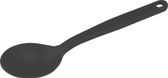
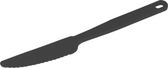
Plate, bowl or cutlery. Stacking helps transport. Material and temperature limits determine suitable uses.
- Plate, bowl or cutlery
- Check all parts together
- Compatibility first
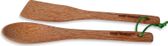
Carry food
Food container. A secure box keeps contents together. Check the description for liquid sealing and insulation.
- Food container
- Compatibility first
- Weight and handling
No products match these filters.