
Sale: from 50 % off
By use
Where do you ride?
Sunny roads
A tinted lens suits sunny roads. Check the specific lens version and a clear view in riding position.
- Read lens version
- Clear field of view
- No helmet pressure
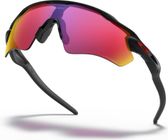
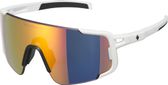
Woodland and shade
Woodland calls for a light lens. Check included lenses for interchangeable models, or a sufficiently light tint range for photochromic versions.
- Check lightest tint
- Read spare-lens contents
- Keep vents clear
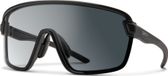
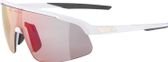
Changing light
Automatic tint and interchangeable lenses are different solutions. Check tint range or contents and plan for the type of change involved.
- Check the lightest tint
- Adjustment takes time
- Carry a spare lens
Commuting and everyday
Glasses should remain steady during daily shoulder checks. Nose support and arm length need to suit you and your helmet.
- Steady fit
- Suitable frame width
- Comfortable nose support
No products match these filters.
Top brands in Adults


Guide
Adult Cycling Glasses
Adult cycling glasses need a frame width and nose support that work with your helmet. Choose the lens for the darkest important section of your route, rather than only the sunny start.
Key points
- The selected lens version determines tint, not the frame name alone.
- Check glasses with your helmet in riding position.
- Dusk and woodland need sufficient light through the lens.
Which glasses for your route?
| Use | Choose | Bear in mind |
|---|---|---|
| Open sunny roads | ChooseTinted sports lens | Bear in mindKeep a clear view forwards and upwards; frame and helmet must not displace one another. |
| Shaded woodland | ChooseLight or adjustable lens | Bear in mindCheck spare-lens contents or the lightest photochromic tint. A dark lens will not suit every woodland section. |
| Frequent light changes | ChoosePhotochromic or interchangeable | Bear in mindAutomatic adjustment takes time. A spare lens needs carrying and swapping by hand. |
Automatic or manual change?
Photochromic lens (For changing light)
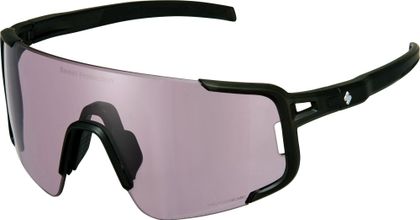
The lens varies its tint within the range it is designed for.
- Advantage: No manual swap for every weather change
- Drawback: Does not react instantly
Interchangeable lens (Swap deliberately)
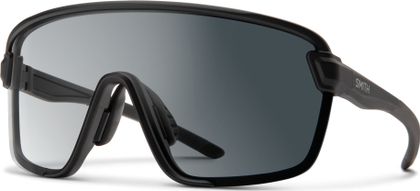
Fit a light spare lens before the ride or during a stop.
- Advantage: Choose the brightness yourself
- Drawback: Changing needs time and clean hands
What to look for
| Question | In brief | Why |
|---|---|---|
| Which frame width? | In briefCheck nose and temples | WhyThe frame should hold without side pressure. Adjustable nose pads can help but cannot replace a suitable basic shape. |
| Works with your helmet? | In briefMimic a shoulder check | WhyArms and helmet edge should not push against each other. Keep your view clear in a lower riding position too. |
| How light is the lens? | In briefRead the exact lens version | WhyOne model name can cover several lenses. Check the light range of the specific version you select. |
Common questions
Are darker glasses always better for cycling?
No. Shaded routes and dusk need more light reaching your eyes. Tint and UV protection are different properties; read the manufacturer's protection information separately.
What does photochromic mean?
The lens reacts to light and changes tint. How far it lightens or darkens depends on the product. The change is not instantaneous.
Can I choose a spare lens by brand alone?
No. It must be explicitly compatible with the frame and series. A listing called Lens or Sparelens may contain only the lens, rather than complete glasses.
How should coated lenses be cleaned?
Follow the manufacturer's instructions. Loosen dirt first instead of rubbing it dry across the surface. Inner coatings can be more delicate than the outside.
Last updated: November 2026