Super deals: At least 50% off
Guide
Backpacks
A backpack does not have to do everything. It has to fit what you do most often. Volume, carrying system and fit decide whether you are still happy on the trail after six hours.
Backpack types
Daypack (15–30 L)
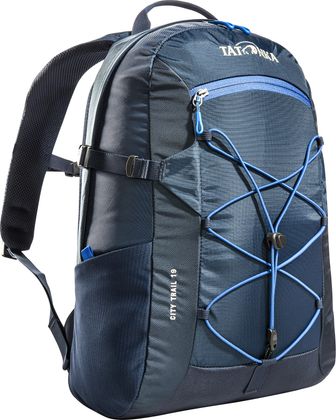
Light all-rounder for everyday use and short trips.
- Advantage: Light and compact
- Advantage: Suits campus, office and city
- Advantage: Often a laptop sleeve and organiser pockets
- Drawback: Little room for gear
- Drawback: Usually no load-bearing hip belt
Hiking backpack (30–45 L)
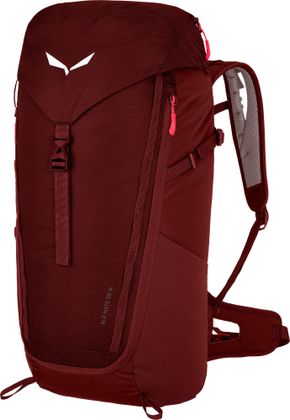
For long day hikes and hut-to-hut tours.
- Advantage: Balances volume and carrying comfort
- Advantage: Usually a sleeve for a hydration bladder
- Advantage: Often with rain cover and pole holder
- Drawback: Often too big for everyday use and travel
- Drawback: Too small for multi-day trips with a tent
Trekking backpack (45–70 L)
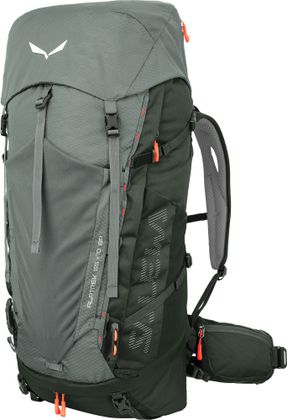
Lots of volume and a stable frame for multi-day trips.
- Advantage: Carries heavy loads on a stable frame
- Advantage: Several ways into the main compartment
- Advantage: Room for tent, sleeping bag and stove
- Drawback: Comparatively heavy and bulky
- Drawback: Needs careful packing to stay manageable
Day hike (15–30 L)
Daypack
Read more
Light, with a ventilated back and pockets for a bottle and a rain jacket. Enough room for food, an extra layer and a first-aid kit.
Hut-to-hut (30–45 L)
Hiking pack
Read more
A padded hip belt and a stable back panel spread the weight. Space for a sleeping bag liner, spare clothes and food for two to four days.
Multi-day with tent (45–70 L)
Trekking pack
Read more
Adjustable back length, a bottom compartment and attachment points for a sleeping mat and poles. Built for loads from about 12 kg.
Climbing, running, cycling
Specialists
Read more
Slim and close to the body. Climbing packs keep your arms free, running packs fit like a vest, bike packs stay put in a forward-leaning position.
Buying advice
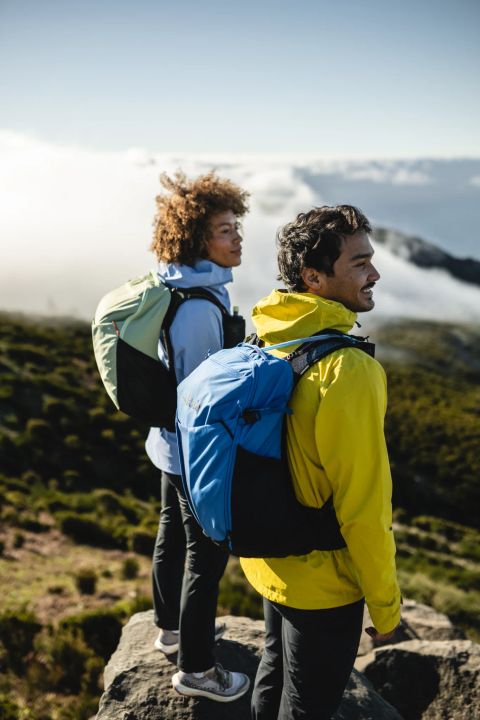
Three questions narrow things down quickly:
- How long are you out? 15 to 30 litres cover a day, 30 to 45 litres a hut tour. With a tent and a stove you end up at 50 litres or more.
- How heavy is your kit? From about 8 kg the hip belt should carry most of the load. The shoulder straps then only keep the pack against your back.
- How long is your back? Back length matters, not body height. Many models come in several lengths or with an adjustable carrying system, some with a women's fit.
Buying bigger "just in case" rarely pays off. A half-empty 60-litre pack carries worse than a well-filled 40-litre one.
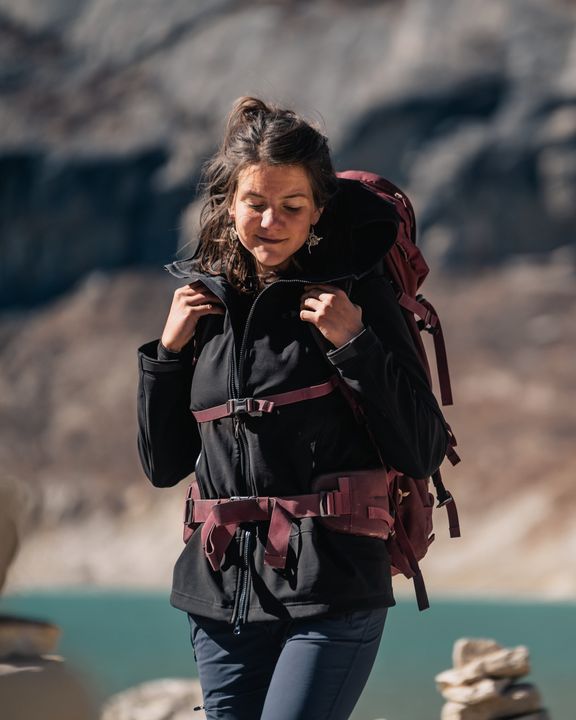
How to adjust your backpack
- Hip belt. Put the pack on with some weight in it, centre the hip belt on your hip bones and tighten it.
- Shoulder straps. Tighten until they sit flush. The weight stays on your hips.
- Load lifters. The straps above your shoulders pull the load towards your back. A little tighter on steep ground, looser downhill.
- Chest strap. Close it last. It keeps the shoulder straps in place and must not restrict your breathing.
Packing it right
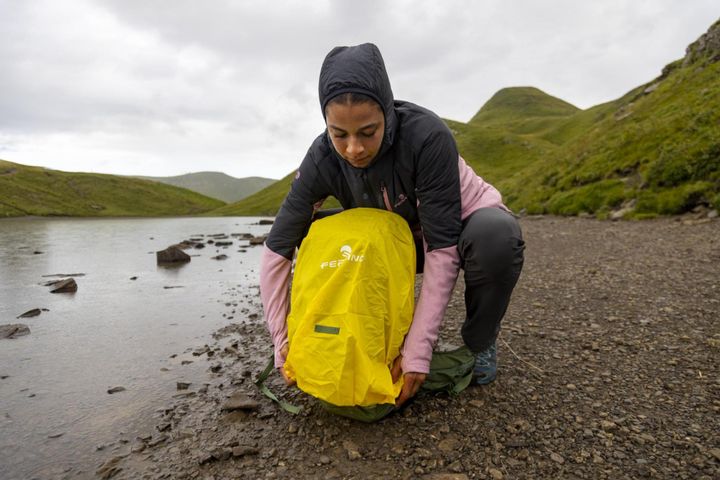
The order inside your pack
- Heavy items close to your back, roughly at shoulder-blade height.
- Light and bulky items like the sleeping bag at the bottom.
- Rain jacket, snacks and map within reach in the lid pocket.
- Carry the fully loaded pack once before the trip.
Hiking backpacks
Wanderrucksäcke
You'll find prices and availability directly in the shop.
View product selectionKey points at a glance
- Day hike 15–30 L, hut tour 30–45 L, with a tent 50 L or more.
- From about 8 kg the hip belt carries most of the load.
- Back length matters, not body height.
Frequently asked questions
How do I find the right back length?
Measure from the seventh cervical vertebra, the bony bump at the base of your neck, to the top of your hip bones. Compare the result with the manufacturer's size chart. Many carrying systems can be adjusted by a few centimetres as well.
How heavy can my backpack be?
As a rule of thumb, 20 to 25 percent of your body weight is the upper limit for multi-day trips. On day hikes you carry far less. More important than the number: the load sits on your hips.
Do I need a rain cover?
Most backpacks are water-repellent but not waterproof. A rain cover helps in steady rain, and sensitive items go into dry bags as well. Some models come with a cover in the bottom compartment.
Does a hiking backpack count as hand luggage?
Up to about 40 litres it works with many airlines, as long as the pack is not stuffed to the brim. Permitted dimensions differ by airline, so check the conditions before you fly.


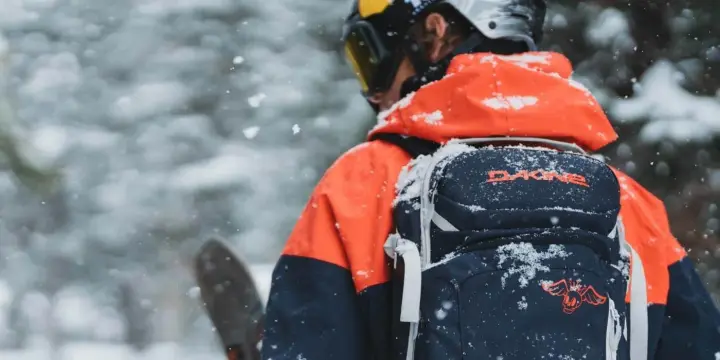


Brands we carry






- Alé
- Athlecia
- Atomic
- Bach
- Barts
- Bergans
- Berghaus
- Big Agnes
- Black Diamond
- Bleubird
- Camelbak
- Carhartt
- Carinthia
- CMP
- cmp - collective (of) moving people
- Columbia
- Cotopaxi
- Craghoppers
- Daehlie
- Dakine
- Dale of Norway
- Dare2b
- DB Journey
- Deuter
- Didriksons
- Dynafit
- EA7
- Eagle Creek
- Edelrid
- EVOC
- Exped
- Ferrino
- Finkid
- Fischer
- Fjällräven
- Garmin
- Goldbergh
- Grayl
- Gregory
- Haglöfs
- HAIX
- Halti
- Helly Hansen
- Holmenkol
- Horsefeathers
- Hunter
- Isbjörn
- J.Lindeberg
- Jack Wolfskin
- Jeanne Baret
- Kelty
- Klättermusen
- Kohla
- Komperdell
- La Sportiva
- Level
- Liewood
- Lowe Alpine
- Lundhags
- Maloja
- Martini
- Millet
- Mountain Hardwear
- Napapijri
- Nemo
- Nordisk
- Oakley
- Ocun
- One Way
- Ortlieb
- Osprey
- Outdoor Research
- Pajak
- Petzl
- Picture
- Pinewood
- POC
- Protest
- Puma
- Rab
- RipCurl
- Robens
- Rossignol
- Salewa
- Scott
- Sea to Summit
- Sealline
- Sierra Designs
- Silva
- Sportful
- Swix
- Tasmanian Tiger
- Tatonka
- Ternua
- The North Face
- Thule
- Timberland
- Trespass
- Under Armour
- VAUDE
- Victoria
- Whistler
- Wild Country
- Zanier
No brand found