Sale: from 50 % off
Ski Touring Rucksacks
Tips on choosing and care in our guide ↓More in Backpacks:
- All Backpacks
Hiking Backpacks
Backpacking Packs
Climbing Backpacks
Daypacks
Ultralight Backpacks
Kids' Backpacks
Cycling Backpacks
Child Carriers
Ski Tourig Backpacks
Compression & Stuff Sacks
Avalanche Airbags
Duffels & Travel Bags
Pack Accessories
Hip Packs
Rain Covers
Hydration Packs & Reservoirs
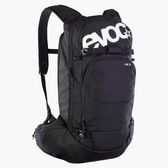
Short outing
A compact pack works when safety equipment and spare clothes fit without being forced into place.
- Clear safety pocket
- Adjust the belt
- Use with gloves
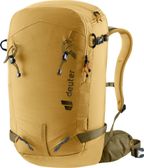
Long day
For extra food and warm clothing, try the rucksack with the load you actually intend to carry.
- Fitting hip belt
- Measure back length
- Check access
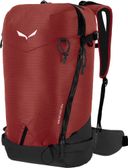
Carrying skis
Put your skis into the carrying system and check whether edges or bindings rub against the rucksack.
- Skis fit
- Secure loose straps
- Check movement
Steady descent
A well-adjusted pack stays close through turns; try the fit with your full touring load.
- Load close to back
- Fasten straps
- Helmet clearance
Top brands in Ski Tourig Backpacks
Guide
Ski Touring Rucksacks
Load the pack with your touring equipment before trying it on: it should remain steady on descents and its ski attachment must work with your skis.
Key points
- Shovel and probe must be reachable without emptying the main compartment.
- Adjust back length and hip belt with the rucksack loaded.
- Try carrying your skis on the pack before the tour.
Which pack suits your tour?
| Use | Choose | Bear in mind |
|---|---|---|
| Short day tour | ChooseCompact touring rucksack | Bear in mindEven a small pack needs room for safety equipment, weather protection, a drink and a spare layer. |
| Long day out | ChooseMore room and good load support | Bear in mindWith extra food and clothing the load should not hang entirely from your shoulders. |
| Carrying skis | ChooseSuitable ski and ice axe attachments | Bear in mindTry the carrying system with skis and gloves; loose straps should not hang around your legs. |
What to look for
| Question | In brief | Why |
|---|---|---|
| Which size? | In briefTry all your equipment | WhyThe volume figure alone says little about packing your particular shovel or warm spare jacket. |
| Which back fit? | In briefLength and freedom of movement | WhyThe hip belt should grip your pelvis and the pack should not hit your helmet when you look up. |
| Which access? | In briefSeparate safety compartment | WhyA large back opening makes packing easier; shovel and probe still need their own readily accessible space. |
Common questions
Do I need a dedicated touring pack?
Suitable attachments and a separate safety compartment help when carrying skis and equipment for snow. Check that your particular shovel and probe fit inside. A stable fit close to your body feels especially useful during the descent.
Does every touring pack include an avalanche airbag?
An airbag is a separate feature. Check whether the model includes a system and which components it needs to operate. A transceiver, shovel and probe, with practised handling, remain part of preparing for travel in avalanche terrain.
How much room do I need for a day?
Lay out all your equipment first and try packing the particular rucksack. A large flask and a thick spare jacket need more room than a light summer load. Attach equipment outside only where appropriate secure fittings are provided for it.
How do I choose back length?
Measure according to the manufacturer's instructions and try the pack loaded. Fasten the hip belt at pelvis height before adjusting the shoulder straps. Bend and turn your upper body; the pack should remain stable without pulling you backwards.
Last updated: November 2026