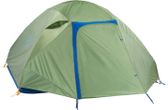
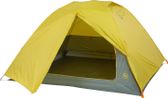
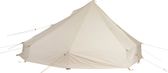
Sale: from 50 % off
4-person tents
More in Tents:
Trekking
Compare complete weight, packed size and your mats. Depending on the bags, tent parts can be shared between backpacks.
- Calculate inner width
- Compare complete weight
- Take the guy lines
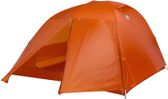
More room at camp
Easy entrances and a larger porch help on longer stays. Plan mat and luggage space separately.
- Read the floor plan
- Keep the entrance accessible
- Maintain ventilation
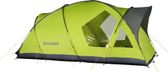
A simple dome pitch
Domes are usually easy to align. Pegs and guy lines are still needed when wind picks up.
- Read pitching instructions
- Check the ground
- Secure against wind
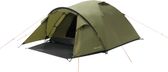
Plenty of luggage
A larger porch keeps wet boots and bags off the sleeping area. Check that luggage leaves a clear entrance.
- Read porch dimensions
- Keep exits clear
- Never cook inside the tent
Brands we carry
Guide
4-person tents
Add up your sleeping mat widths before buying. Then compare the inner, entrances and porch; when carrying the tent, include poles and pegs in the total weight.
Key points
- Match mat widths to the usable inner tent.
- A porch keeps wet boots outside the sleeping area.
- For trekking compare complete weight and packed size.
- Ventilation helps manage moisture inside the tent.
How will you camp?
| Use | Choose | Bear in mind |
|---|---|---|
| Backpacking | ChooseA portable double-wall tent | Bear in mindCompare complete weight and share poles, inner and outer between the group where packing allows. |
| A fixed campsite | ChooseMore porch space and height | Bear in mindIf carrying matters less, extra floor space and an easy entrance make daily camp life more comfortable. |
| Several adults | ChooseUsable sleeping width | Bear in mindWide mats need more space than narrow ones. Sloping walls can reduce room at head and foot. |
| Wet weather | ChooseSheltered storage | Bear in mindA porch helps with boots and luggage. Ventilation remains important even in cool weather. |
What to look for
| Question | In brief | Why |
|---|---|---|
| Will the mats fit? | In briefCalculate internal dimensions | WhyCompare width and length where you can actually use them. Person capacity says little about space with wide mats. |
| How heavy? | In briefCompare complete weight | WhyUltralight and comfort-focused models pursue different goals. Include required pegs, poles and any extra groundsheet. |
| How does it pitch? | In briefCheck poles and guying | WhyA dome is easier to position; a tunnel needs suitable guying space. Even freestanding tents need securing against wind. |
| How much kit? | In briefPlan porch storage separately | WhyBags inside take up sleeping space. Decide what needs dry storage and how you will reach the entrance at night. |
Common questions
Does four-person mean four wide mats?
Add up mat widths and compare the inner floor plan. Tapered ends or sloping walls can reduce usable space. Do not assume luggage will also fit in the sleeping area.
Can we cook in the porch?
Cook outside, away from the tent in a suitable, well-ventilated spot. Flames and fumes inside a tent or porch are dangerous. Follow stove instructions and campsite rules too.
Why is the tent damp inside?
Breath and wet equipment can condense on cool fabric. Use vents and keep wet items outside the sleeping space where possible. Check separately whether rain is entering through a damaged area.
Do we need a footprint?
Consider the ground and the tent maker's guidance. A matching footprint adds protection but should not extend beyond the flysheet and collect rainwater.
Last updated: November 2026