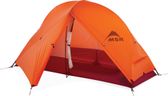
Sale: from 50 % off
One-person tents
Tips on choosing and care in our guide ↓More in Tents:
Lightweight walking
Compare light trekking tents with adequate sleeping length and ventilation.
- Measure your mat
- Compare packed weight
- Allow for a porch
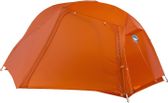
Cycling trips
Short pole sections can be easier to carry on a bicycle.
- Measure handlebar width
- Plan attachment
- Check tyre clearance
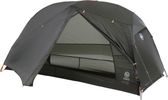
More living space
Look for useful sitting height and a porch for wet footwear.
- Compare inner height
- Keep the entrance clear
- Check mat width
Weather protection
Match the shelter to the season and weather, and guy it out properly.
- Check the flysheet
- Keep ventilation open
- Practise pitching first
Brands we carry
Guide
One-person tents
With a solo tent, the trade-off between carrying weight and living space is especially noticeable. Compare the usable floor with your mat and plan to keep wet footwear outside the sleeping compartment.
Key points
- Allow enough inner length for your fully lofted sleeping bag.
- A porch keeps boots and luggage out of your sleeping space.
- Short pole sections fit more easily on bicycle handlebars.
- Compare packed weight including poles and pegs.
How are you travelling solo?
| Use | Choose | Bear in mind |
|---|---|---|
| Long walking trips | ChooseLight trekking tent | Bear in mindSave weight without cutting sleeping length, rain protection or ventilation too far. |
| By bicycle | ChooseBikepacking version | Bear in mindCheck packed pole length and clearance around handlebars, cables and tyres. |
| Longer stays inside | ChooseTent with sitting height and porch | Bear in mindBeing able to sit up and store kit separately helps during long wet-weather stops. |
What to look for
| Question | In brief | Why |
|---|---|---|
| Will my mat fit? | In briefCompare inner dimensions | WhyThe floor may narrow at the foot. Allow for the real width of your mat and space between your sleeping bag and the wall. |
| How does it pitch? | In briefCheck poles and guying | WhyEven a freestanding inner needs pegs and guy lines for full weather protection. Practise the complete pitch before travelling. |
| What will I carry? | In briefInclude all supplied components | WhyWeight figures may cover different parts. Remember any separate groundsheet you intend to take as well. |
Common questions
Is a tunnel tent always lighter?
Weight also depends on fabrics, fittings and dimensions. Compare complete models rather than construction alone. A very low shelter may save weight but leaves less room for getting changed or waiting out poor weather.
Can my rucksack stay inside?
Measure the space left beside your mat. The porch is usually a better place for boots and luggage while dry clothing stays inside. Keep entrances clear and stop wet kit from touching the filling of your sleeping bag.
Do I need a footprint?
On rough ground, a suitable footprint can protect the floor. Match it to the model and floor area; it should not protrude beyond the fly and collect rain underneath. Clear sharp objects from the pitching spot first.
Will a mosquito shelter do?
Mesh can provide comfortable insect protection in dry, sheltered conditions. For trips with rain, add suitable weather protection. Check whether the flysheet, poles and floor are included in the particular package you are buying.
Last updated: November 2026